Grand Est stretches across three historic regions - Alsace, Lorraine, and Champagne-Ardenne - making it one of France's most geographically and culturally diverse territories. Whether you're tracing the Alsace Wine Route through Molsheim, exploring the river landscapes of Épinal, or visiting the medieval squares of Charleville-Mézières, the region rewards travelers who plan their base strategically. This guide covers 4 three-star hotels in Grand Est that offer genuine value, concrete amenities, and well-positioned access to the region's main attractions.
What It's Like Staying in Grand Est
Grand Est is a region built for slow, purposeful travel - wine routes, forest trails, Gothic cathedrals, and cross-border day trips into Germany and Luxembourg are all part of the practical rhythm here. Strasbourg anchors the east, but the region spans over 57,400 km², meaning your hotel's city matters enormously for what you can realistically visit. Crowds concentrate in Strasbourg and Colmar, especially during the Christmas markets season, while towns like Épinal, Molsheim, and Charleville-Mézières offer a noticeably quieter pace with far less tourist foot traffic.
Transport across Grand Est relies heavily on the A35 motorway and regional TER train lines, which connect major cities but leave rural areas best explored by car. Travelers without a vehicle will find some destinations limiting outside of Strasbourg itself.
Pros:
- Exceptional cultural and historical variety across three distinct sub-regions (Alsace, Lorraine, Ardennes)
- Far lower hotel prices and crowds compared to Paris or the French Riviera
- Excellent road and motorway access for self-drive itineraries along wine and heritage routes
Cons:
- Public transport outside Strasbourg is limited, making car rental almost essential for rural stays
- Christmas market period (late November-December) inflates prices and fills accommodation fast
- Some smaller towns have limited evening dining options, particularly mid-week
Why Choose 3-Star Hotels in Grand Est
Three-star hotels in Grand Est hit a practical sweet spot: they typically include free parking - a genuine advantage in a region where driving is the dominant way to explore - along with free Wi-Fi, breakfast options, and en-suite bathrooms, without the pricing of four-star properties. Rates at 3-star hotels in Grand Est often sit around 30% lower than equivalent stays in Strasbourg's city-center four-star market, particularly in towns like Molsheim or Épinal. Room sizes tend to be compact but functional, with the emphasis on clean, well-equipped spaces rather than design statements.
In a region where travelers spend most of their day outdoors - hiking wine routes, visiting abbeys, or driving through Ardennes forest - a reliable, no-friction base matters more than a luxurious room. Three-star properties here tend to prioritize the practical: parking, breakfast, and consistent connectivity, all of which serve road-trip-style itineraries well.
Pros:
- Free private parking is standard at most 3-star hotels - critical for self-drive travelers
- Buffet breakfast is commonly included or available, reducing daily logistics
- Positioned across multiple cities, allowing strategic base-switching across the region
Cons:
- Room sizes are functional rather than spacious - not suited for long stays with large luggage
- On-site dining is limited at budget-leaning 3-star properties; dinner often requires driving
- Amenity depth varies significantly between properties in this category
Practical Booking & Area Strategy for Grand Est
Positioning your stay strategically across Grand Est makes a real difference in what you can cover each day. Molsheim sits just 25 km from Strasbourg city centre and directly on the Alsace Wine Route, making it one of the strongest bases for wine-focused travelers who want proximity to Strasbourg without city-center pricing. Épinal, in the Lorraine sub-region, is better suited for travelers targeting the Vosges massif, the River Moselle valley, or the Images d'Épinal museum - the town is well-connected via the N57 but feels distinctly quieter than Alsace destinations. Charleville-Mézières, capital of the Ardennes department, is the entry point for the Meuse valley, cross-border routes into Belgium, and the Château fort de Bouillon, located around 45 km away. Book at least 6 weeks ahead for stays between late November and early January across all sub-regions, as Christmas market demand drives occupancy to near-capacity across Alsace in particular. For the quietest and most affordable window, March through May offers mild weather, open attractions, and significantly lower rates before the summer touring season begins.
Best Value Stays
These properties offer the strongest practical return for the price - free parking, included breakfast, and well-connected locations across Grand Est's main touring corridors.
-
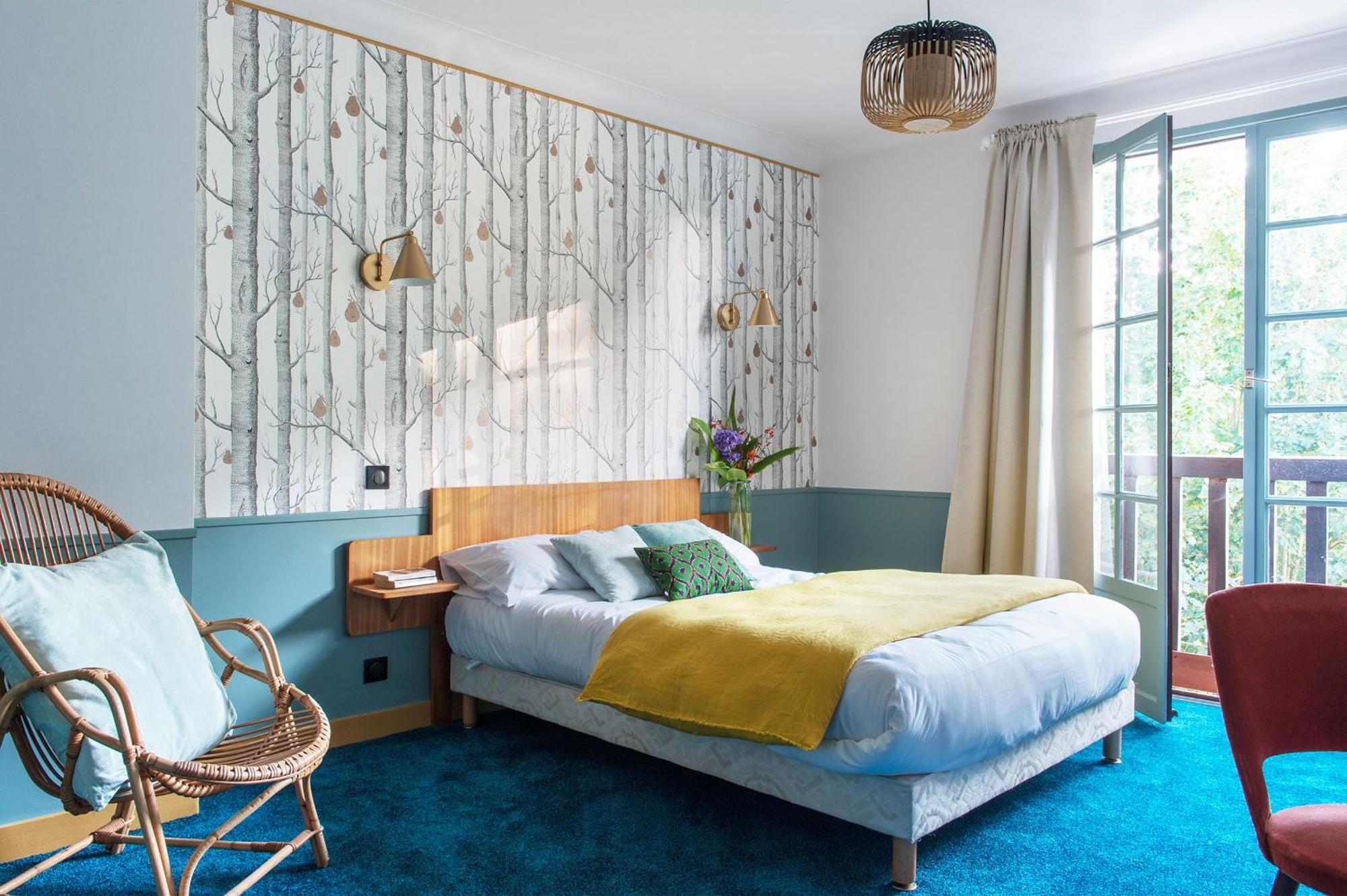
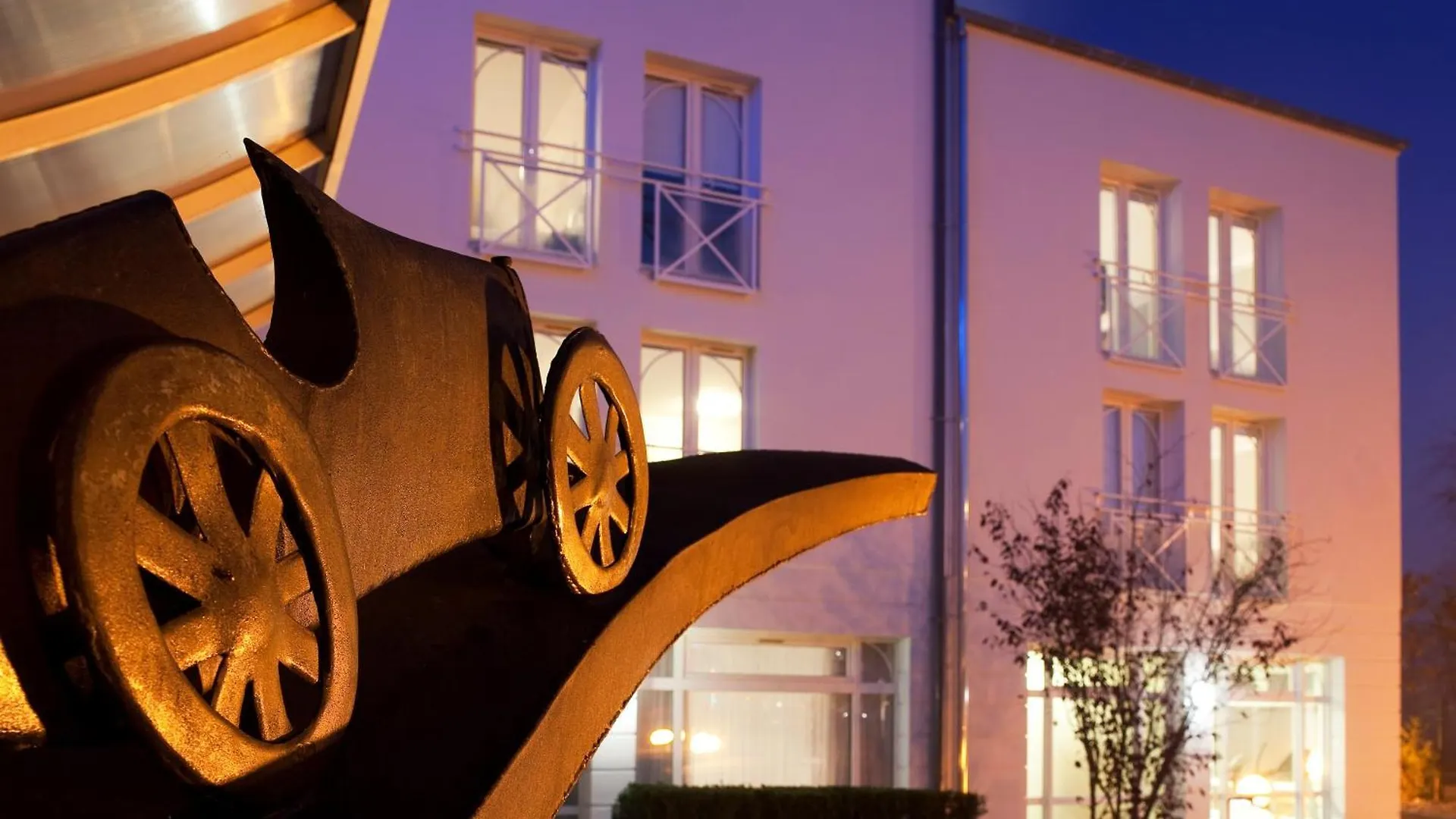
1. Hotel Le Bugatti
Show on map


 Check-infrom 15:00 until 23:00Check-outuntil 12:00
Just a few rooms left at the best rate!
from€ 63
-
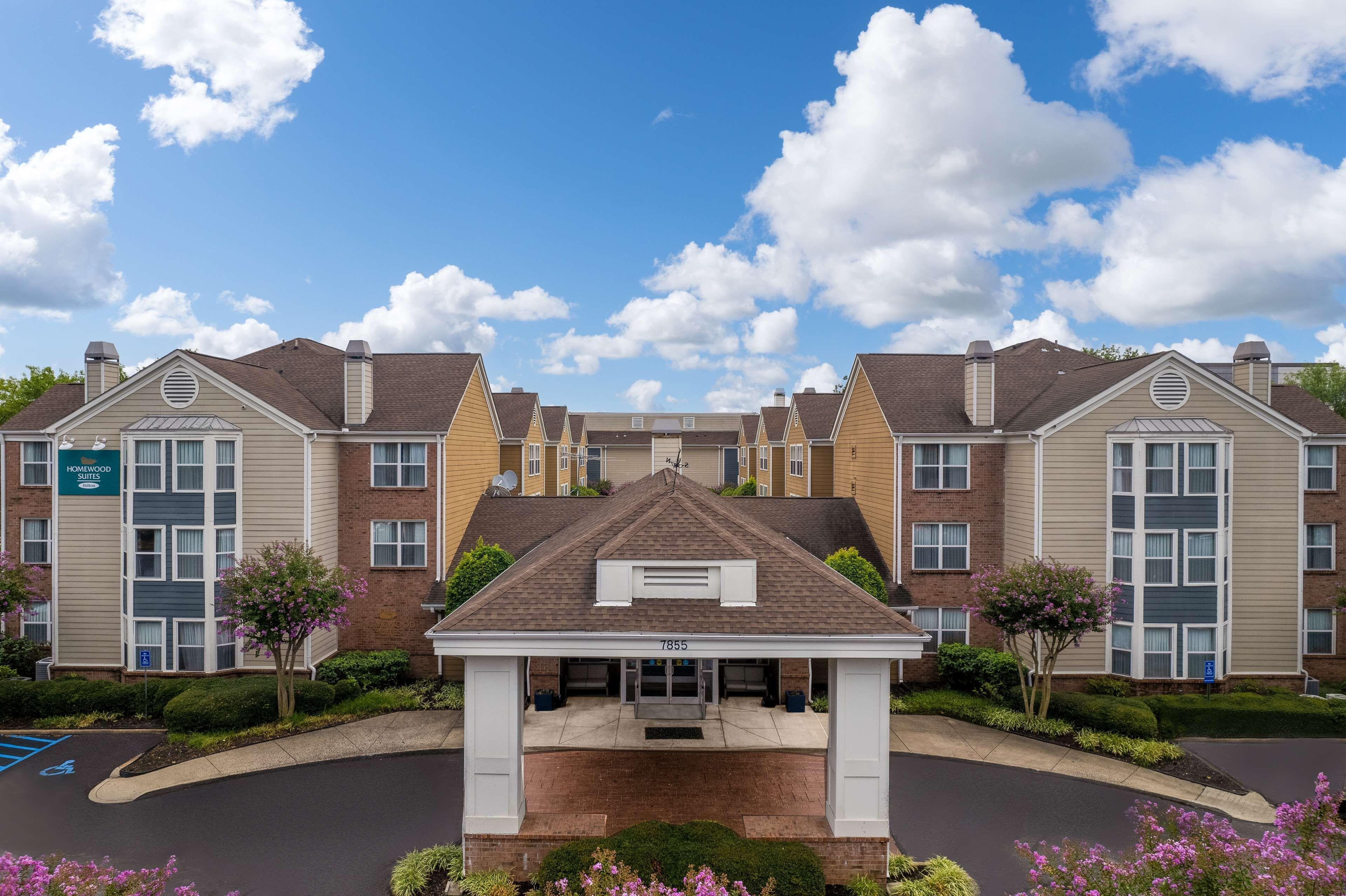
2. Premiere Classe Epinal
Show on map


 Check-infrom 17:00 until 21:00Check-outfrom 07:00 until 11:00
Just a few rooms left at the best rate!
from€ 33
-
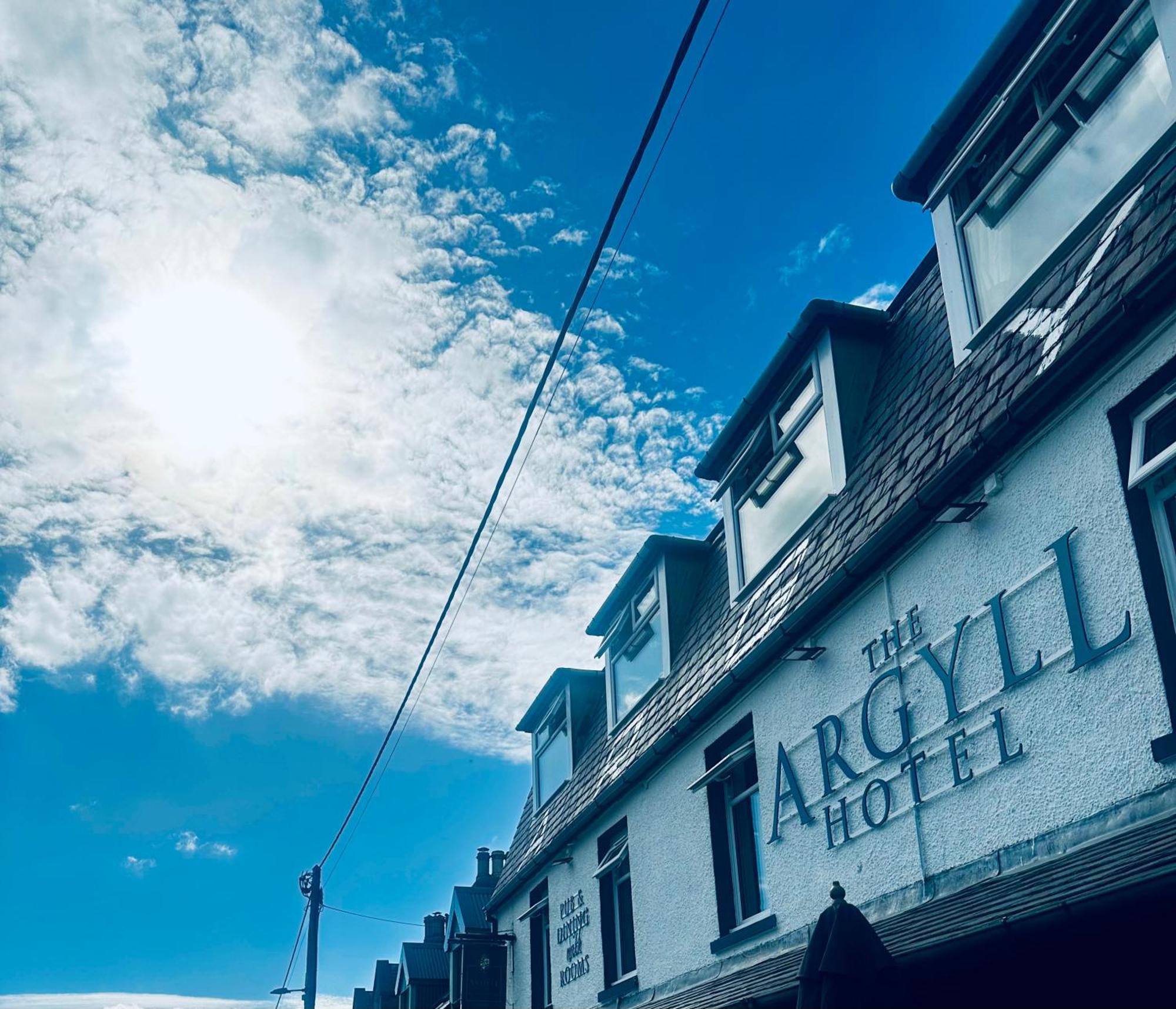
3. Hotel - Restaurant La Claire Foret
Show on map


 Check-infrom 17:00 until 23:00Check-outfrom 08:00 until 11:00
Hurry – almost gone at this price!
from€ 100
Best Premium Option
For travelers prioritizing a property with more character, stronger in-room facilities, and a location tied to a specific cultural destination in Grand Est.
-
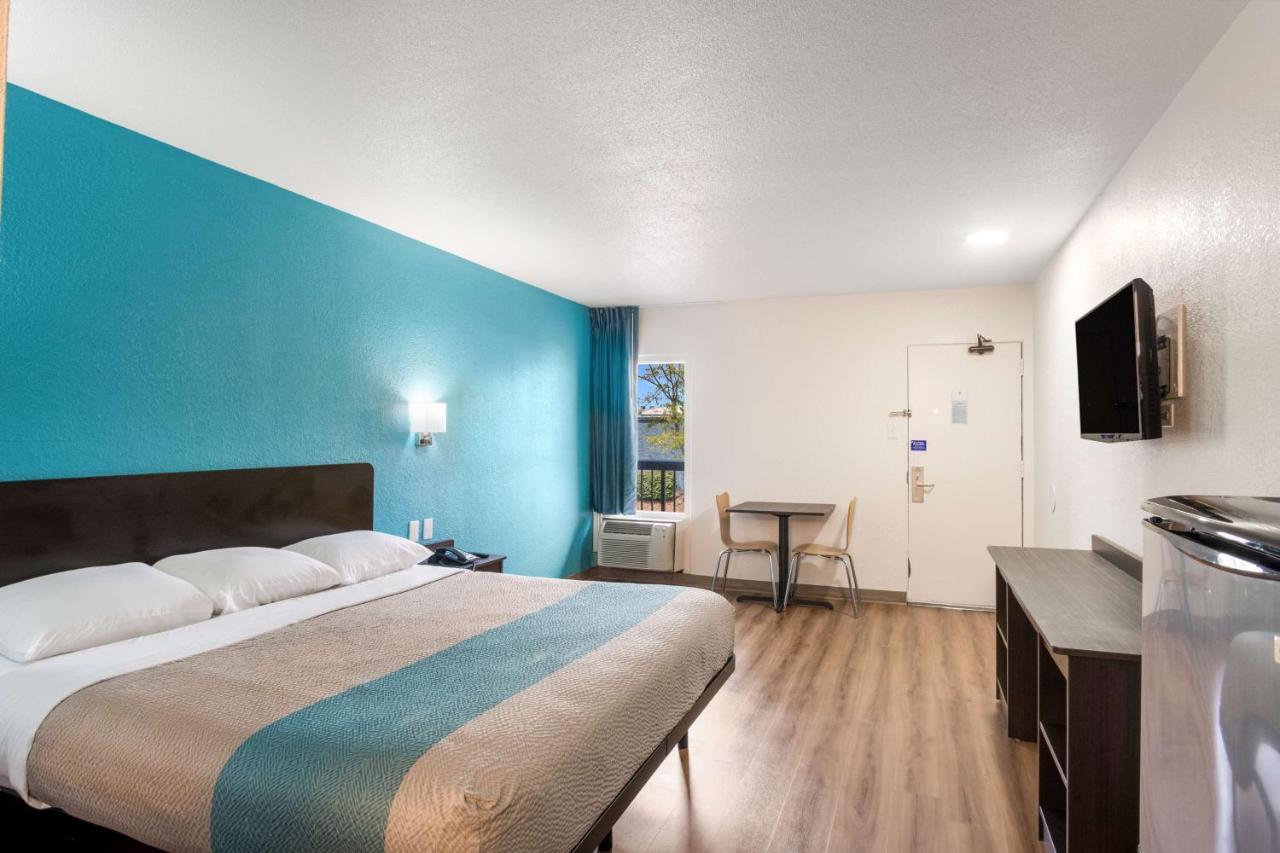
4. La Grande-Ourse
Show on map


 Check-infrom 16:00 until 20:00Check-outfrom 08:00 until 12:00
Rooms filling fast – secure the best rate!
from€ 97
Smart Timing & Booking Advice for Grand Est
Grand Est has two distinct peak windows that affect pricing and availability very differently. The Christmas market season - running from late November through late December - is the single busiest and most expensive period across Alsace, with Strasbourg, Colmar, and their surrounding towns (including Molsheim) filling up weeks in advance. Properties along the Wine Route can see nightly rates climb significantly during this window, so booking around 8 weeks ahead is the practical minimum. Summer (July-August) brings a second, softer peak driven by French domestic tourism and German cross-border visitors, particularly in Lorraine and the Ardennes. The best value window is mid-September to late October: the wine harvest is underway across Alsace, autumn foliage makes the Ardennes and Vosges particularly scenic, temperatures remain comfortable, and hotel rates are noticeably lower than peak season. For short stays of 2 nights, positioning in one city and using day trips to cover surrounding areas is the most efficient approach given Grand Est's road network. Travelers planning to cover multiple sub-regions should allow at least 5 nights and consider splitting their stay between an Alsace base and a Lorraine or Ardennes base.