The Appalachian Mountains stretch over 2,400 km across 14 U.S. states, from Alabama to Maine, making them one of the most geographically diverse wellness destinations in the country. Whether you're targeting a full Ayurvedic reset in the Catskills, a casino-resort spa experience in Cherokee, or a vineyard retreat in the Georgia Blue Ridge, the range of spa hotels here goes far beyond what most travelers expect from a mountain escape. This guide covers 9 verified spa hotels across the Appalachians - with practical detail on what each actually delivers, where to position yourself, and when to book.
What It's Like Staying in the Appalachian Mountains
The Appalachian Mountains are not a single destination - they are a 2,400 km corridor of distinct micro-regions, each with its own pace, infrastructure, and traveler profile. In areas like western North Carolina (Asheville, Cherokee) and Vermont's Green Mountain valleys, road access is the primary mode of transport, and most spa hotels are deliberately remote, meaning a car is non-negotiable. Crowd patterns vary sharply by season: fall foliage (late September through October) drives occupancy up across all Appalachian states, while summer weekends fill quickly in popular nodes like Stowe, Vermont, and the Smoky Mountains corridor. Urban infrastructure is minimal outside of Asheville, Harrisburg, and a few college towns, so guests staying at mountain spa properties should expect to be largely self-contained - a dynamic that suits wellness travelers but frustrates those seeking dining variety or nightlife.
The Appalachians reward travelers who plan around a specific activity - hiking, skiing, rafting, or spa recovery - rather than those expecting a city-adjacent resort experience. Remote spa resorts here often sit on hundreds of acres, which creates genuine solitude but requires advance planning for transport, dining, and excursions.
Pros:
- Exceptional natural surroundings with access to hiking, skiing, and whitewater rafting directly from or near most spa properties
- Spa hotels across the Appalachians tend to offer larger grounds and more private settings than comparable urban wellness hotels
- Strong seasonal variety - skiing in Vermont, fall foliage in Pennsylvania, and year-round mild temperatures in Georgia's Blue Ridge
Cons:
- A car is essential at almost every location; public transport connections to Appalachian mountain towns are limited or nonexistent
- Peak fall and holiday weekends can push rates up significantly, with availability dropping weeks in advance at well-reviewed properties
- Dining options outside the hotel are scarce near the most remote spa resorts, making on-site restaurant quality a critical booking factor
Why Choose a Spa Hotel in the Appalachian Mountains
Spa hotels in the Appalachian Mountains operate in a fundamentally different market from urban wellness hotels. Rather than offering spa as an add-on amenity, most properties here are built around the wellness experience - with facilities that include full hydrotherapy circuits, holistic treatment programs, indoor and outdoor pools, and in some cases medically supervised health retreats. Rates at Appalachian spa hotels span a wide spectrum, from around $150 per night at mid-tier options in Pennsylvania to well over $500 per night at resort-scale properties like Nemacolin in Farmington. Room sizes at mountain spa properties tend to be more generous than city hotels at equivalent price points, and many include fireplaces, mountain-view balconies, or private patios - features that directly enhance the wellness experience. The primary trade-off is isolation: you are trading urban convenience for space, nature access, and therapeutic depth. Noise and foot traffic are negligible at most properties, but so are last-minute dining alternatives or transport flexibility.
For travelers specifically seeking spa and wellness as the central purpose of their trip - rather than a secondary feature - the Appalachian Mountain corridor delivers a concentration of genuine wellness destinations that few comparable U.S. regions can match across such a variety of price points and states.
Pros:
- Wellness facilities at Appalachian spa hotels are typically more comprehensive than city hotels - many include saunas, hot tubs, indoor pools, and multi-treatment spa menus under one roof
- Mountain settings significantly enhance the therapeutic value of a spa stay, with hiking, outdoor activities, and clean air directly complementing on-site treatments
- Larger property footprints mean quieter, less crowded spa environments compared to resort hotels in urban or beach destinations
Cons:
- Full-service spa treatments are usually priced as extras - budget accordingly, as treatment menus at resort-scale properties can add $100-$300 per person per day
- Remote locations mean limited options if you want to explore local restaurants, bars, or culture beyond the hotel grounds
- Some spa hotels in the region are older properties with uneven renovation levels - verify specific room types before booking
Practical Booking & Area Strategy for Appalachian Spa Hotels
Positioning matters significantly across the Appalachian chain. In western Pennsylvania, properties like Nemacolin (near Farmington) sit close to Ohiopyle State Park - one of the East Coast's top whitewater rafting destinations - making them ideal for active wellness guests. In North Carolina, Cherokee sits at the entrance to Great Smoky Mountains National Park, the most visited national park in the U.S., which means traffic congestion on peak weekends is a real logistical factor. Vermont's Stowe corridor (accessible via Burlington International Airport, around 53 km away) is the best-connected mountain spa hub in New England, with skiing at Stowe Mountain Resort directly accessible from several properties. Georgia's Dahlonega sits in the Blue Ridge foothills and is drivable from Atlanta in under 2 hours, making it a strong weekend option for Southeast-based travelers. For the Catskills, Monticello-area resorts are around 2.5 hours from New York City by car, and represent the most accessible Appalachian spa option for Northeast urban travelers. Book fall foliage season at least 6 weeks in advance across all Appalachian states - occupancy at well-reviewed spa hotels reaches near capacity during peak leaf season. For ski-adjacent properties in Vermont and Pennsylvania, holiday weekends in December and February fill equally fast. Shoulder seasons (May-June and late October-November outside foliage peak) consistently offer the best combination of availability and value across the region.
Best Value Spa Stays
These properties deliver solid spa and wellness facilities at accessible price points, with strong positioning relative to Appalachian trail access, state parks, and regional attractions.
-
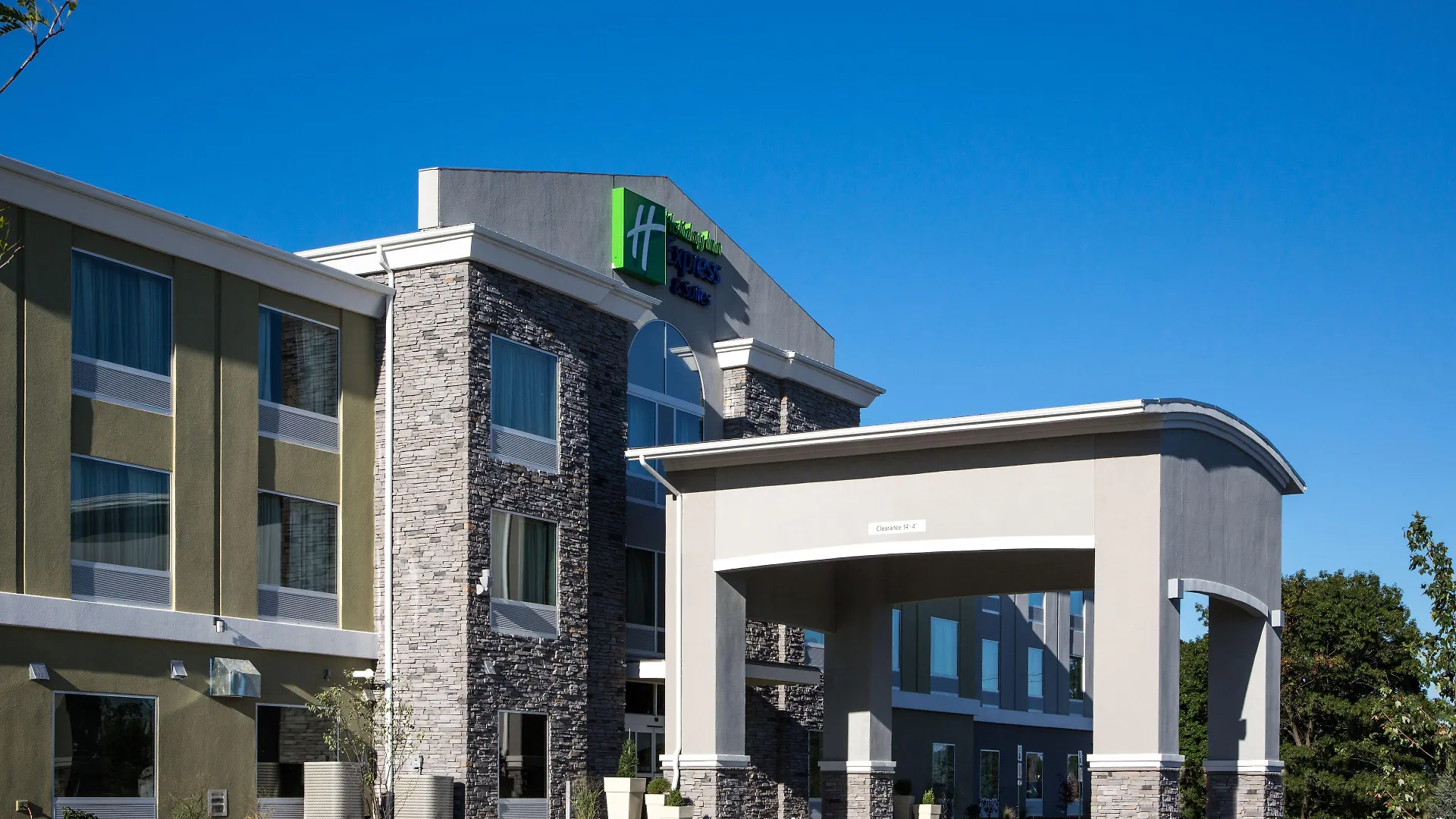
1. Holiday Inn Express & Suites Carlisle - Harrisburg Area By Ihg
Show on map


 Check-infrom 15:00 until 23:59Check-outuntil 11:00
Just a few rooms left at the best rate!
fromUS$ 119
-
2. The White House Inn
Show on map


 Check-infrom 16:00 until 20:00Check-outfrom 08:00 until 11:00
Just a few rooms left at the best rate!
fromUS$ 134
-
3. Hampton Inn Selinsgrove / Shamokin Dam
Show on map


 Check-infrom 15:00 until 23:59Check-outuntil 11:00
Just a few rooms left at the best rate!
fromUS$ 144
-
4. Brass Lantern Inn
Show on map


 Check-infrom 15:00 until 20:00Check-outfrom 08:00 until 10:00
Hurry – almost gone at this price!
fromUS$ 354
-
5. Dahlonega Resort And Vineyard
Show on map


 Check-infrom 15:30 until 23:00Check-outfrom 08:00 until 11:00
Hurry – almost gone at this price!
fromUS$ 189
Best Premium Spa Stays
These resort-scale and specialty wellness properties offer the most comprehensive spa programs, largest grounds, and most distinctive experiences available in the Appalachian Mountains - suited to travelers for whom the spa and wellness experience is the primary purpose of the trip.
-
6. Cumberland Inn And Spa
Show on map


 Check-infrom 15:00 until 17:00Check-outfrom 11:00 until 12:00
Hurry – almost gone at this price!
fromUS$ 84
-
7. Nemacolin
Show on map


 Check-infrom 16:00 until 23:59Check-outuntil 11:00
Rooms filling fast – secure the best rate!
fromUS$ 733
-
8. Harrah'S Cherokee Casino Resort - A Caesars Rewards Destination
Show on map


 Check-infrom 16:00 until 23:59Check-outfrom 08:00 until 11:00
Rooms filling fast – secure the best rate!
fromUS$ 94
-
9. Yo1 Longevity & Health Resorts, Catskills
Show on map


 Check-infrom 15:00 until 23:59Check-outuntil 11:00
Rooms filling fast – secure the best rate!
fromUS$ 304
Smart Travel & Timing Advice for Appalachian Spa Hotels
Fall foliage season - running from late September through mid-October depending on latitude - is the single most competitive booking period across all Appalachian spa hotels. Properties in Vermont, Pennsylvania, North Carolina, and Georgia all see peak demand simultaneously during this window, and rates at resort-scale properties like Nemacolin and Harrah's Cherokee can climb steeply. For foliage-adjacent spa trips, booking at least 6 weeks ahead is the minimum; for signature properties or holiday weekends, 8-10 weeks is more realistic. Winter (December-March) creates a split market: Vermont and northern Pennsylvania ski-adjacent spa hotels (Brass Lantern Inn, Hampton Inn Selinsgrove) fill quickly on holiday weekends, while southern Appalachian properties in Georgia and North Carolina see lighter demand and occasional rate drops. May and early June offer the best shoulder-season value across the entire corridor - wildflower blooms on the trail, mild temperatures ideal for hiking and spa recovery, and meaningfully lower occupancy than summer or fall. For properties like YO1 in the Catskills, which operates as a structured wellness program rather than a leisure resort, multi-night stays of at least 3 nights are recommended to experience the therapeutic programs fully. Most Appalachian spa hotels require a minimum 2-night stay on weekends during peak season - verify this at the time of booking to avoid surprises.