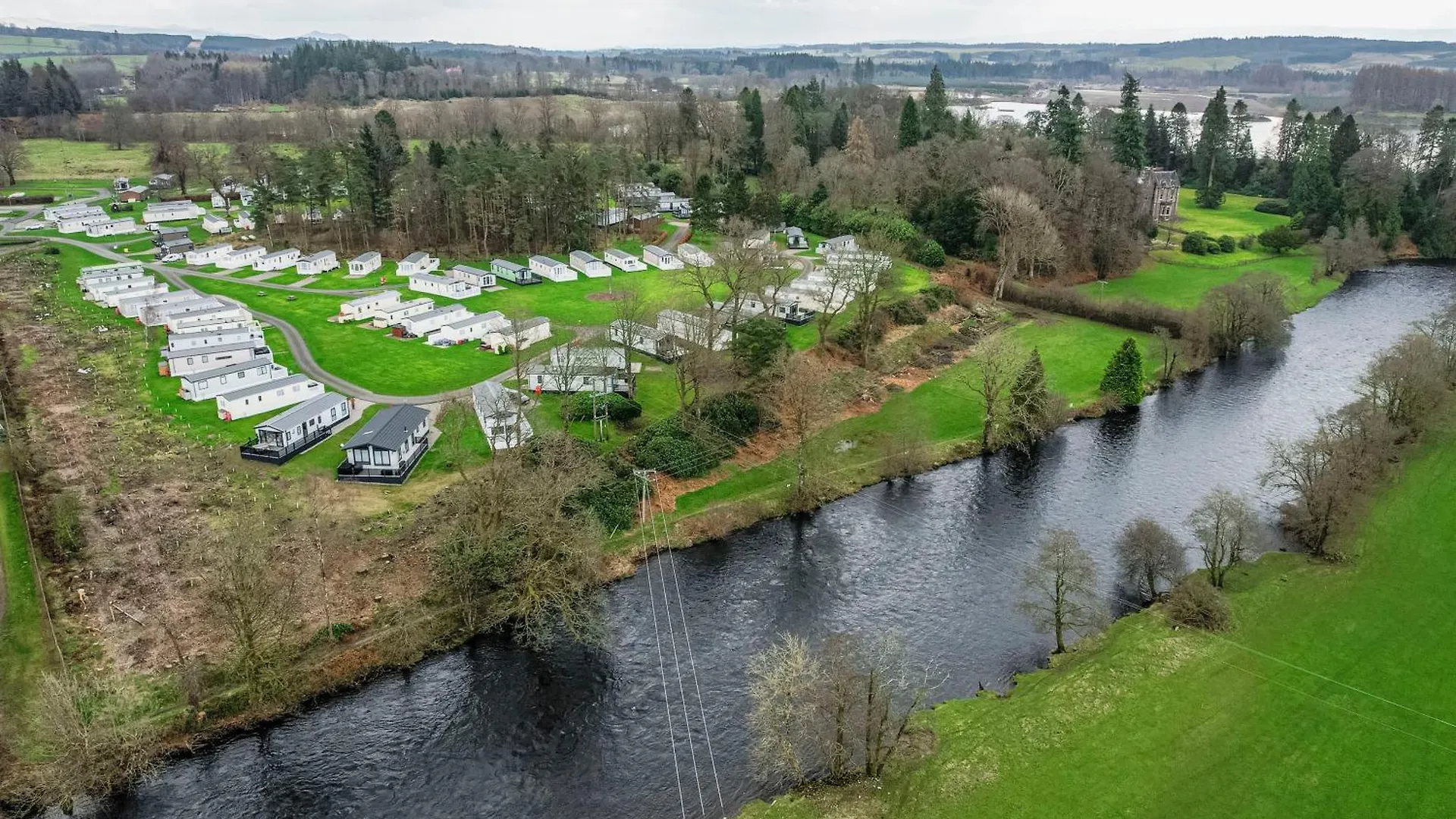
Central Scotland stretches from the edge of Loch Lomond and the Trossachs National Park through Stirling, Perthshire, Fife, and Angus - a region where location matters enormously because distances between key attractions are real and road conditions vary by season. Choosing a hotel rated highly for its location here means the difference between spending your mornings driving and spending them exploring. This guide covers 10 hotels with strong location scores, spread across distinct sub-regions, to help you make a precise, informed booking decision.
What It's Like Staying in Central Scotland
Central Scotland is one of the UK's most geographically diverse travel regions, covering national park terrain, castle-dotted countryside, university cities like Dundee and St Andrews, and quiet Perthshire villages. Transport is largely car-dependent outside of Dundee and Stirling, so where you stay determines what you can reasonably access in a day. Crowds concentrate heavily at Loch Lomond gateway towns like Callander, particularly between June and September, while inland Angus and Perthshire remain quieter year-round. Travellers who value access to multiple landscapes benefit most from a well-located central base; those wanting pure city infrastructure may find rural Central Scotland limiting.
Callander, for example, sits just 1 mile from the Loch Lomond and Trossachs National Park boundary, making it one of the most strategically positioned villages for walkers and cyclists. Dundee-area properties provide the best balance of rural access and urban amenities.
Pros:
Centrally located properties give access to multiple regions - Highlands, Fife coast, and Perthshire - within a single base
Quieter rural settings translate to easier parking, lower noise levels, and more authentic local experiences
Several locations double as gateways to golf, fishing, and skiing without the resort price premiums
Cons:
Without a car, many of the best-located rural properties are effectively inaccessible by public transport
Seasonal road closures and Highland weather can add unpredictable travel time between properties and attractions
Village-based accommodation often has no walkable dining or retail infrastructure, requiring forward planning for meals
Why Choose a Well-Located Hotel in Central Scotland
In a region this wide, a high location score on booking platforms typically reflects genuine proximity to the natural or historic asset the traveller came to see - not just access to a town centre. Properties with strong location ratings here tend to sit within under 5 km of a key draw: a loch, a castle, a national park entrance, or a golf course. The price difference between a well-located rural property and a generic roadside hotel in Central Scotland can be surprisingly small, as demand is driven by experience rather than urban convenience. Room sizes in rural self-catering lodges and holiday cottages consistently exceed those in city hotels, often offering two bedrooms, full kitchens, and outdoor space at comparable nightly rates. The trade-off is clear: excellent natural positioning often means limited on-site dining, no concierge, and longer drives to supermarkets.
Travellers on touring itineraries - covering Glencoe, Perthshire, and the Fife coast in one trip - benefit most from properties that sit at geographic crossroads rather than deep in a single valley. Around 70% of top-rated location properties in this region are self-catering, reflecting how the local market has developed around independent exploration rather than package tourism.
Pros:
High location score properties are typically within walking distance or a short drive of the specific attraction guests came to see
Self-catering formats at well-located rural sites offer full kitchen facilities, reducing daily spend significantly on food
Several top-location properties include free private parking - a practical advantage given the car-dependent nature of the region
Cons:
Properties rated highly for location may score lower on facilities - fewer on-site restaurants, spas, or entertainment options
Advance booking is critical in peak season as well-located properties are limited and sell out weeks ahead
Some of the best-positioned rural properties have limited or no mobile signal, which affects navigation and real-time planning
Practical Booking & Area Strategy for Central Scotland
For travellers splitting time between the Highlands and Central Scotland, Fort Augustus and Ballachulish sit at ideal geographic pivot points - Fort Augustus connects Loch Ness to the Great Glen Way, while Ballachulish is within 23 km of Glen Nevis and provides direct road access to Glencoe. Dundee-area bases such as the Angus countryside around Kirriemuir offer access to Glamis Castle (around 21 km), Discovery Point, and Scone Palace within a single drive. In Fife, Auchtermuchty places guests midway between St Andrews and Scone Palace, both reachable in under 40 minutes by car. Book at least 8 weeks ahead for summer stays in national park-adjacent properties - Callander in particular experiences significant August pressure from both domestic and international tourists. For off-peak visits in March or November, last-minute rates can drop noticeably and roads are far quieter, making driving routes through the Trossachs and Perthshire genuinely enjoyable rather than congested.
Key things to do in Central Scotland include walking the Rob Roy Way, visiting Stirling Castle, golfing at Gleneagles or St Andrews, kayaking on Loch Tay, and whisky touring through Perthshire distilleries - each of which demands a different geographic base for efficiency.
Best Value Stays
These properties offer strong location scores at accessible price points, combining proximity to key Central Scotland attractions with practical self-catering or guest house formats suited to independent travellers.
-
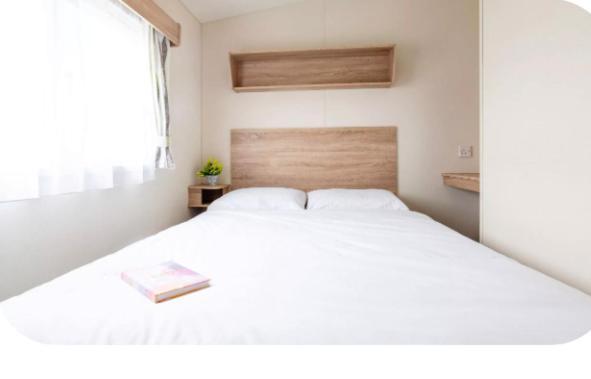
1. Callander Woods Holiday Park
Show on map


 Check-infrom 16:00 until 20:00Check-outfrom 09:00 until 10:00
Just a few rooms left at the best rate!
from£ 95
-
2. Station View Guest House
Show on map


 Check-infrom 15:00 until 23:00Check-outfrom 07:00 until 10:00
Just a few rooms left at the best rate!
from£ 35
-
3. Morenish Mews Killin Cottage
Show on map


 Check-infrom 16:00 until 23:59Check-outuntil 10:00
Best price guarantee
from£ 246
-
4. The Boars Head, Fife Restaurant And Rooms
Show on map


 Check-infrom 15:00 until 21:00Check-outfrom 08:00 until 11:00
Hurry – almost gone at this price!
from£ 127
-
5. Orange Yurt With Hot Tub- Sleeps 4 Parking & Pets
Show on map


 Check-infrom 15:00 until 23:59Check-outuntil 10:00
Rooms filling fast – secure the best rate!
from£ 176
Best Premium Stays
These properties combine higher-end facilities, stronger on-site amenities, or particularly distinctive settings - from Angus countryside lodges near Dundee to loch-side Highland properties - justifying a higher nightly rate with tangible practical value.
-
1. Incheoch Farm Granary
Show on map


 Check-infrom 15:00 until 22:00Check-outfrom 06:00 until 10:00
Just a few rooms left at the best rate!
from£ 190
-
2. Whitebridge Hotel
Show on map


 Check-infrom 15:00 until 22:00Check-outfrom 08:00 until 10:00
Hurry – almost gone at this price!
from£ 228
-
3. Loch Ness Gate House
Show on map


 Check-infrom 15:00 until 21:00Check-outuntil 11:00
Rooms filling fast – secure the best rate!
from£ 191
-
4. The Bothy Of Ballachulish House
Show on map


 Check-infrom 15:00 until 23:00Check-outuntil 10:00
Best price guarantee
from£ 244
-
10. Forbes Of Kingennie
Show on map


 Check-infrom 16:00 until 22:00Check-outuntil 10:00
Best price guarantee
from£ 280
Smart Travel & Timing Advice for Central Scotland
Central Scotland's peak season runs from late June through August, when national park gateway towns like Callander and Fort Augustus see occupancy rates climb sharply and well-located rural properties can book out weeks in advance. Book at least 8 weeks ahead for summer stays in Loch Lomond, Loch Ness, and Glencoe-adjacent properties - the supply of genuinely well-positioned accommodation is genuinely limited. September and October offer the best balance: autumn colour is at its peak across Perthshire and Angus, midges diminish significantly after mid-September, and prices at rural lodges tend to drop compared to the July-August peak. Avoid the last two weeks of July for Callander and Fort Augustus unless booked months in advance - these coincide with Scottish school holidays and the highest traffic volumes on the A84 and A82. For a meaningful Highland and Central Scotland experience, plan for a minimum of 4 nights; shorter stays don't allow realistic exploration across sub-regions given the driving distances involved. Winter stays between November and February are viable at lower-altitude properties like those in Fife and Angus, but Highland properties near Glencoe and Loch Ness require weather monitoring and flexible itineraries.