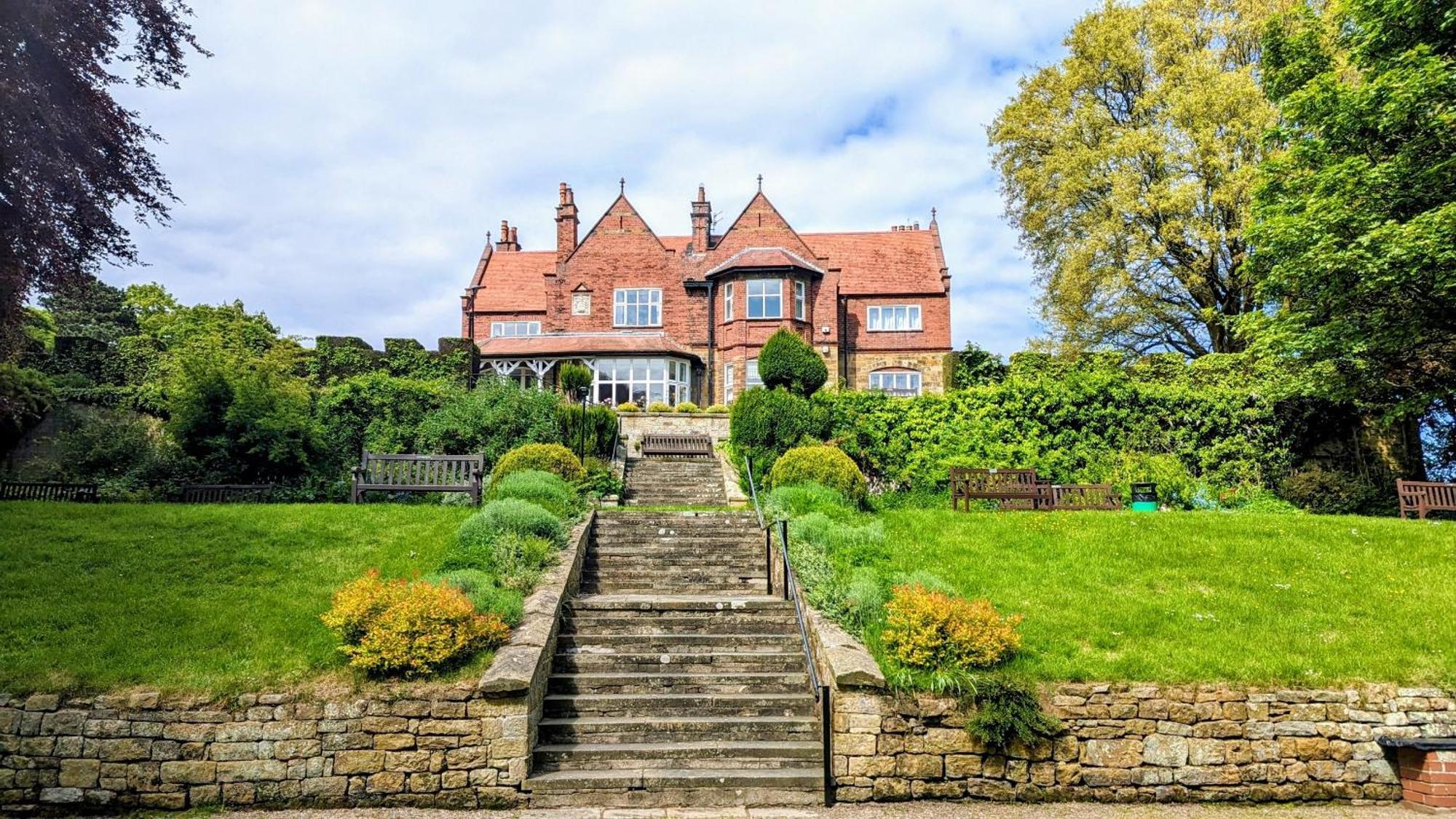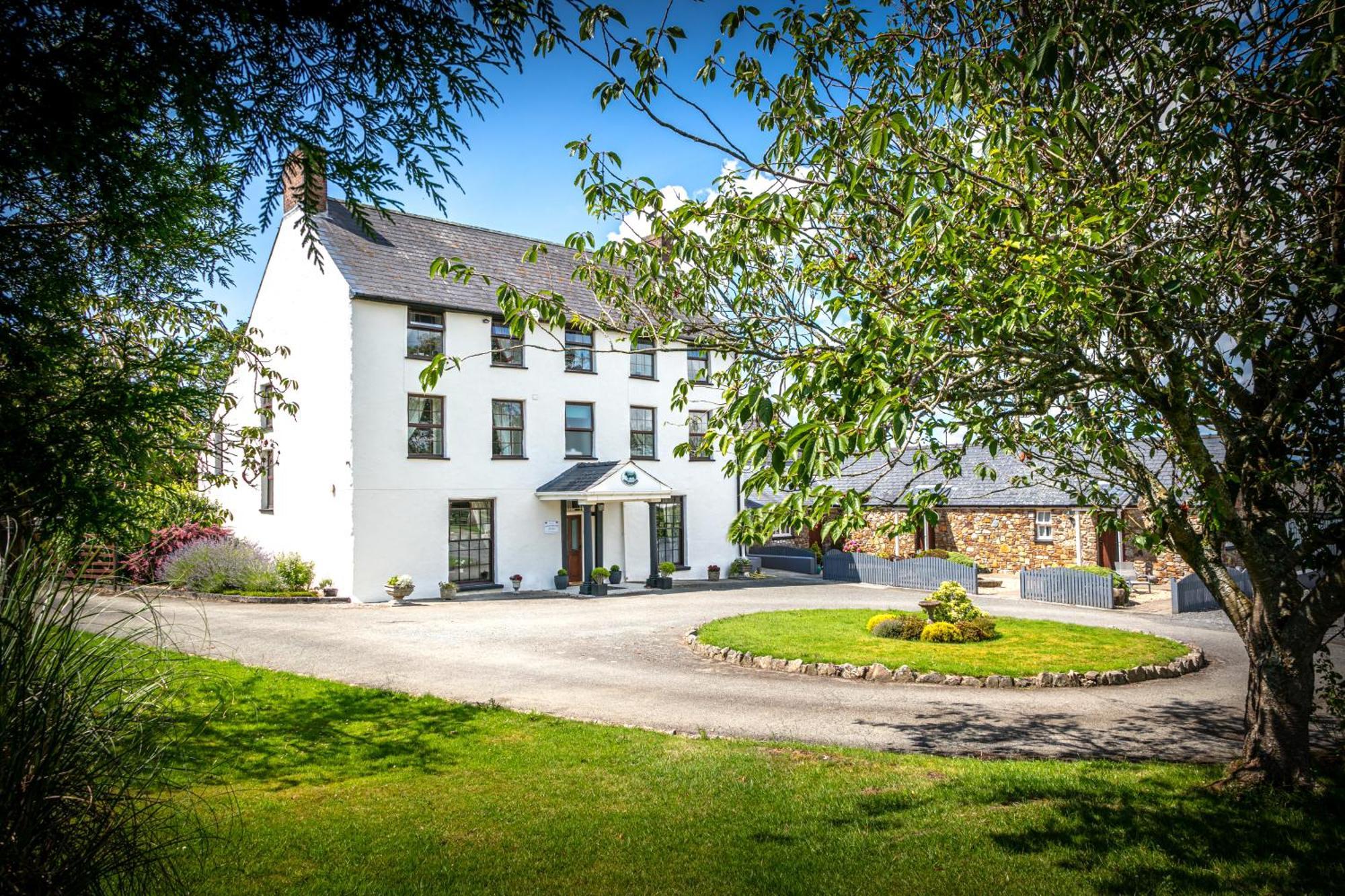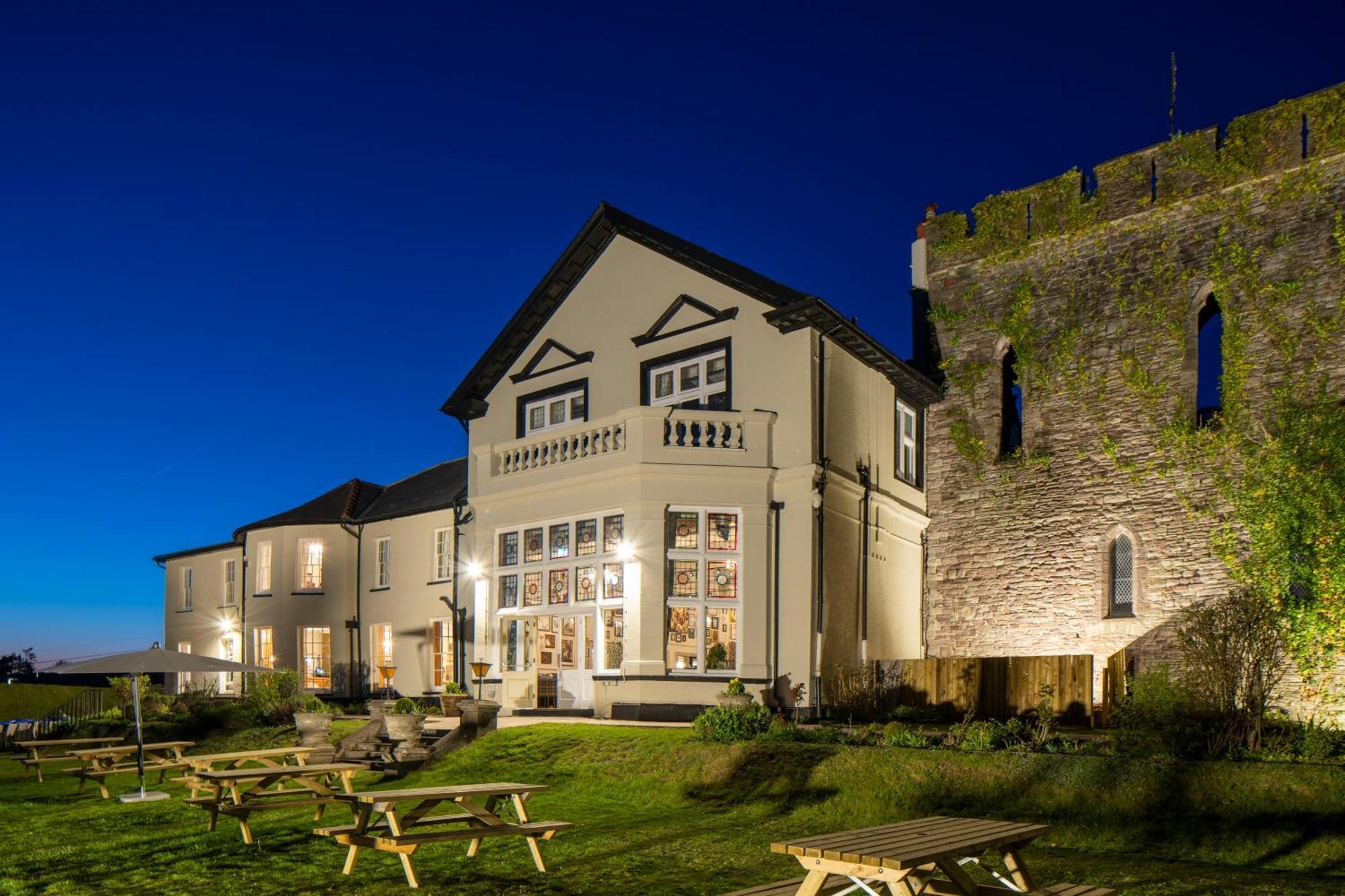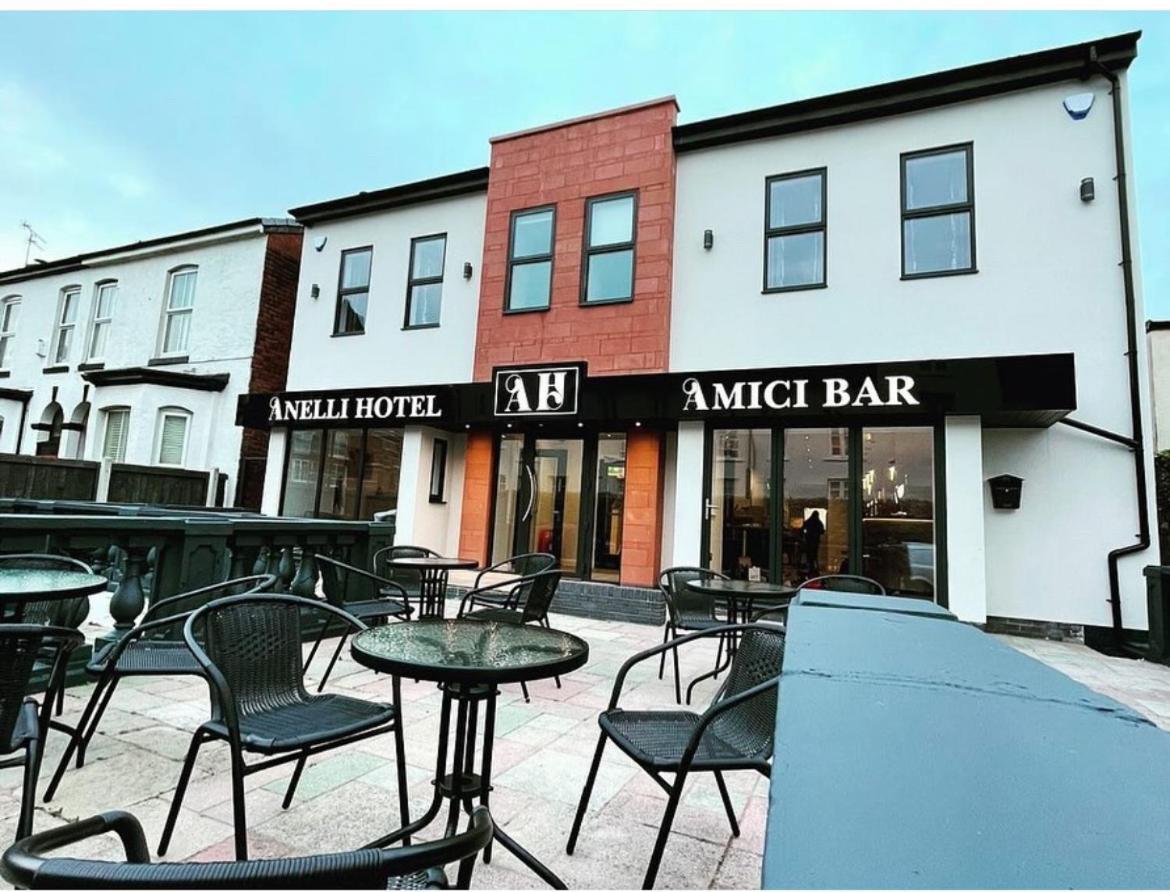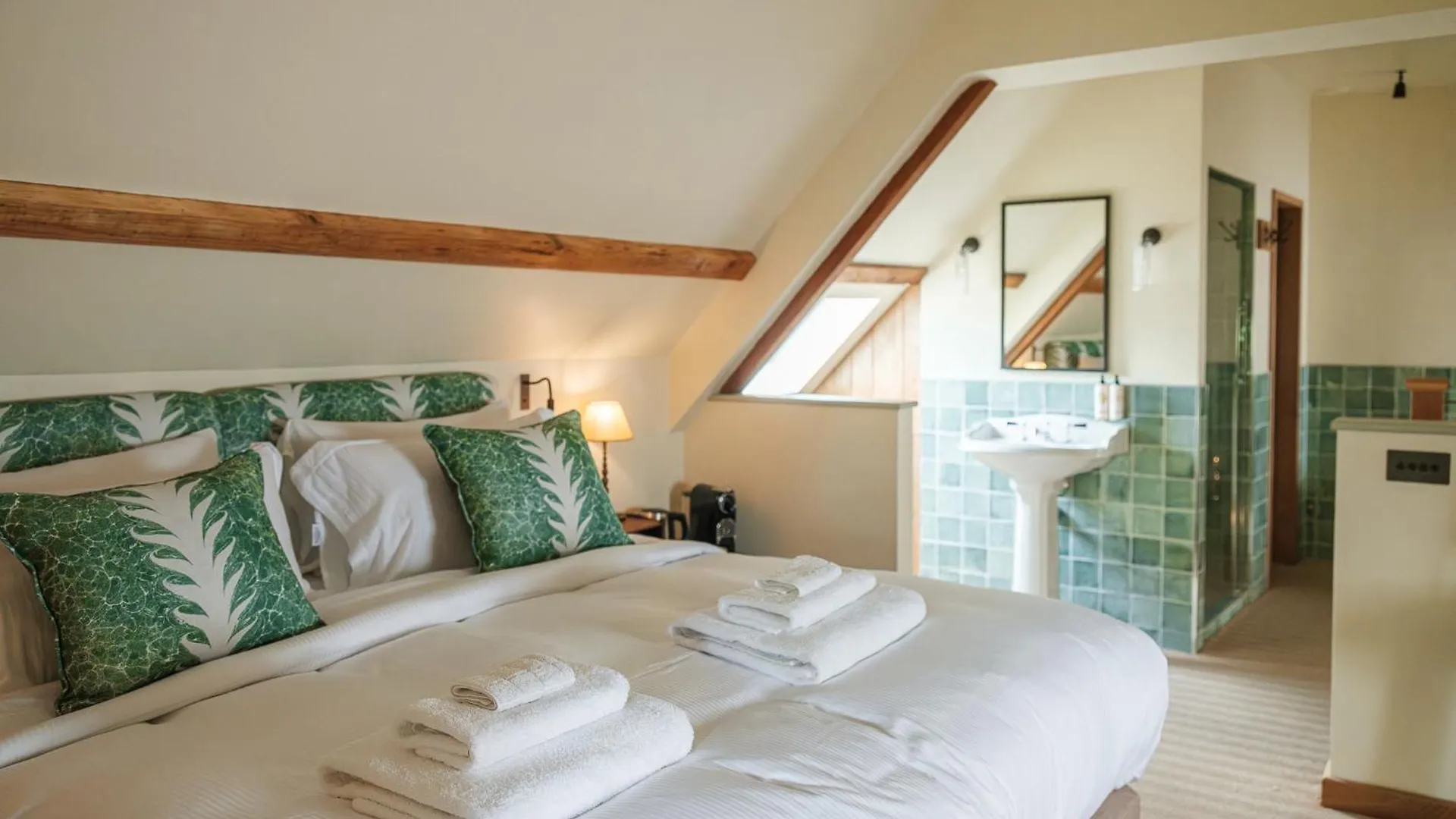
The Cotswolds stretches across six counties in central England, covering around 800 square miles of limestone villages, market towns, and walking trails. Budget hotels here vary significantly by location - a room in Cirencester costs less than one in Broadway, yet both put you within reach of the same network of footpaths and historic attractions. This guide compares 6 affordable stays across key Cotswolds towns to help you book with confidence.
What It's Like Staying in the Cotswolds
The Cotswolds is not a single destination - it's a region of interconnected market towns where you need a base, not just a postcode. Car travel is almost essential, as bus connections between villages like Bourton-on-the-Water and Burford are infrequent, particularly on Sundays. The area draws heavy visitor traffic from late spring through September, with weekends in Broadway and Bourton-on-the-Water becoming genuinely congested by mid-morning. If you're visiting for walking, cycling, or visiting country houses rather than just a weekend stroll, staying here makes strong logistical sense - but those looking for city amenities or nightlife will find the Cotswolds notably quiet after 9pm.
Booking even 6 weeks ahead is advisable for peak summer weekends, especially in popular villages where accommodation is limited.
Pros:
- Direct access to the Cotswold Way, cycling routes, and major heritage sites like Blenheim Palace and Bourton-on-the-Water
- Staying locally means you can explore early morning before day-tripper crowds arrive from Bristol, Birmingham, and London
- Budget accommodation in towns like Cirencester and Cheltenham offers lower prices than the picture-postcard villages without sacrificing access
Cons:
- Public transport between villages is unreliable - without a car, you're mostly limited to your base town
- Rural locations mean limited late-night food options outside of hotel restaurants and local pubs
- Peak season weekend availability disappears fast, leaving last-minute bookers with poor value or limited choice
Why Choose Budget Hotels in the Cotswolds
Budget and mid-range inns and B&Bs dominate the Cotswolds accommodation market - and many of them occupy genuinely historic buildings, which means you often get character at a lower price point than in comparable UK regions. Three-star inns with on-site restaurants and free parking are common here, delivering practical value that's harder to find in, say, the Lake District or Cornwall at similar price levels. The trade-off is room size: budget rooms in converted stone buildings are often compact, and en-suite layouts can be tight. Around 70% of budget options in the region include free parking, which is a significant practical advantage if you're driving between villages.
What distinguishes budget stays in the Cotswolds from, say, a chain hotel in Cheltenham city centre is the setting - many affordable properties sit directly on village greens or in market town centres, giving you immediate walking access to local pubs, shops, and countryside paths.
Pros:
- Free parking is standard at most budget inns, saving meaningful money over multi-night stays in car-dependent villages
- On-site breakfast - often Full English - is frequently included or available at low cost, removing the need to find a café in quieter villages
- Many budget properties are housed in period buildings, offering authentic Cotswolds atmosphere without boutique hotel pricing
Cons:
- Rooms in converted historic buildings can be small, with low ceilings and limited storage - not ideal for longer stays with large luggage
- Budget options in the most popular villages (Broadway, Bourton-on-the-Water) book up fast, leaving fewer choices for late planners
- On-site facilities rarely include leisure amenities like pools or spas - this is purely a base, not a resort
Practical Booking & Area Strategy
Choosing where to base yourself in the Cotswolds affects how much you'll pay and how far you'll need to drive each day. Cirencester and Cheltenham offer the best value for budget travellers - both are genuine market towns with supermarkets, transport links, and a wider range of accommodation than the smaller villages. From Cirencester, the Cotswold Water Park is around 15 km away, while Cheltenham gives you fast access to Broadway, Bourton-on-the-Water, and the racecourse. Burford sits in the eastern Cotswolds and is a strong mid-point base for reaching both Blenheim Palace (28 km) and Oxford (31 km). Bath, technically on the southern edge of the Cotswolds, appeals to travellers combining the region with a city break - the Roman Baths and Bath Abbey are reachable within 10 km from properties near Hinton Charterhouse. Bourton-on-the-Water is the most visited village in the region, so staying there puts you at the centre of activity but means weekend foot traffic is significant. For walkers, Broadway is the gateway to the Broadway Tower and the northern Cotswold escarpment, making it a sensible base for active itineraries.
Best Value Stays
These properties offer strong practical value across key Cotswolds towns - free parking, on-site dining, and solid amenities at accessible price points.
-
1. The Stump
Show on map


 Check-infrom 14:00 until 22:00Check-outuntil 10:00
Just a few rooms left at the best rate!
from£ 129
-
2. Old Bank Rooms
Show on map


 Check-infrom 16:00 until 21:30Check-outuntil 10:00
Just a few rooms left at the best rate!
from£ 112
-
3. Rose And Crown
Show on map


 Check-infrom 14:00 until 22:00Check-outuntil 10:00
Hurry – almost gone at this price!
from£ 124
-
4. The Mousetrap Inn
Show on map


 Check-infrom 15:00 until 20:00Check-outuntil 10:00
Hurry – almost gone at this price!
from£ 88
Best Premium Budget Stays
These two properties sit at the higher end of the budget spectrum but deliver standout features - historic architecture, award-level dining, or village-centre positioning - that justify the step up in price.
-
5. The Royal Oak Burford
Show on map


 Check-infrom 12:00 until 22:00Check-outfrom 06:00 until 10:00
Rooms filling fast – secure the best rate!
from£ 82
-
2. The Broadway Hotel
Show on map


 Check-infrom 15:00 until 21:30Check-outfrom 07:00 until 11:00
Rooms filling fast – secure the best rate!
from£ 202
Smart Travel & Timing Advice for the Cotswolds
The Cotswolds sees its heaviest visitor pressure between late May and early September, with August weekends in Broadway, Bourton-on-the-Water, and Burford reaching capacity by late morning. Visiting in late September or October gives you dramatically quieter villages, lower accommodation rates, and autumn colour on the walking trails - without sacrificing dry weather. Spring (April to early May) is increasingly popular with walkers and garden visitors, particularly around the time of the Cheltenham races in March, which causes a local spike in demand and pricing around the town. Budget hotel rates across the region can rise by around 40% on peak summer weekends compared to the same midweek dates. Booking at least 8 weeks ahead for any July or August weekend stay is realistic advice - particularly for smaller properties like Old Bank Rooms or The Royal Oak Burford, where room counts are low. A stay of 3 nights gives you enough time to cover two or three key villages, a country house visit, and a full day's walking without feeling rushed.