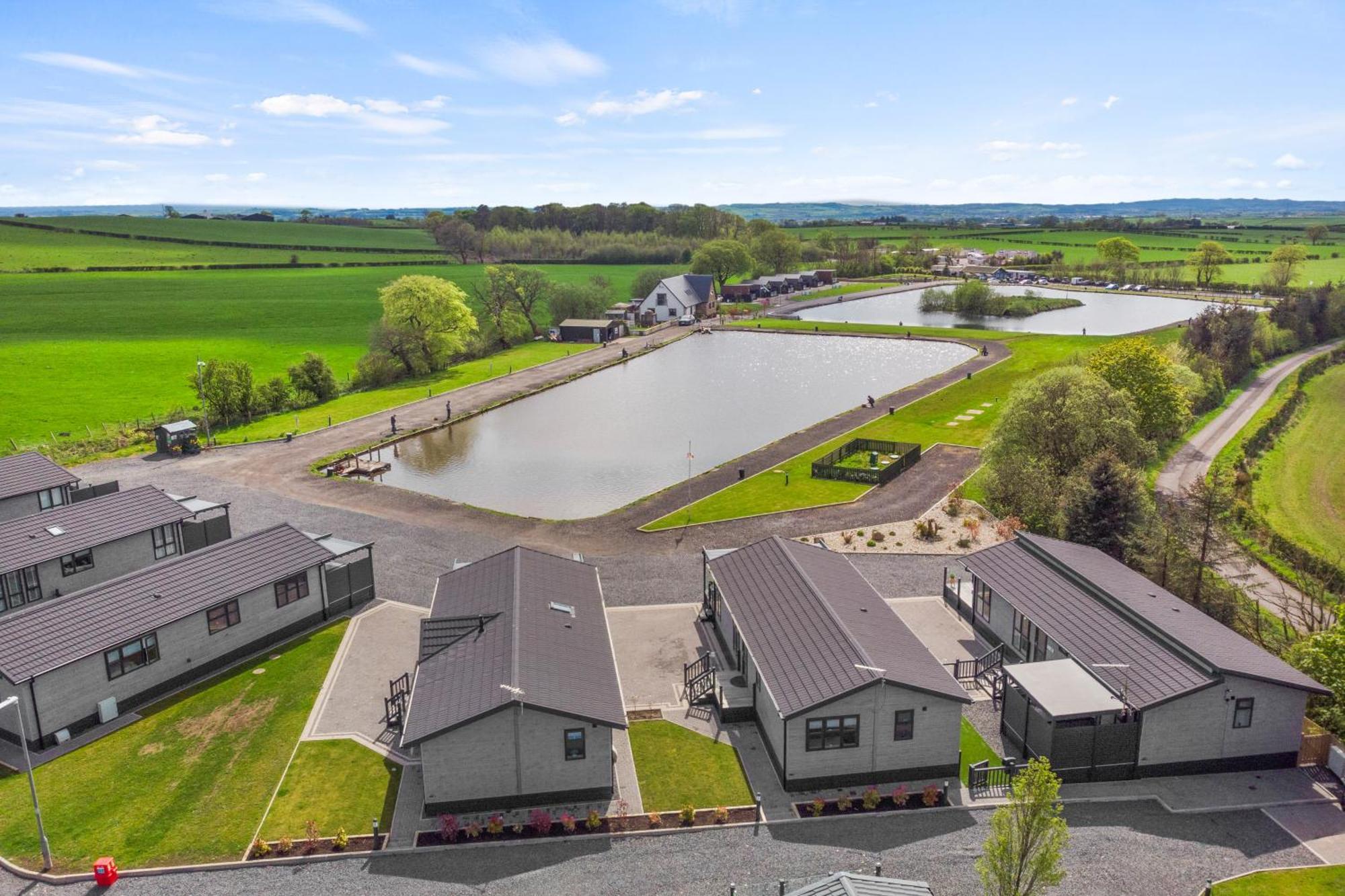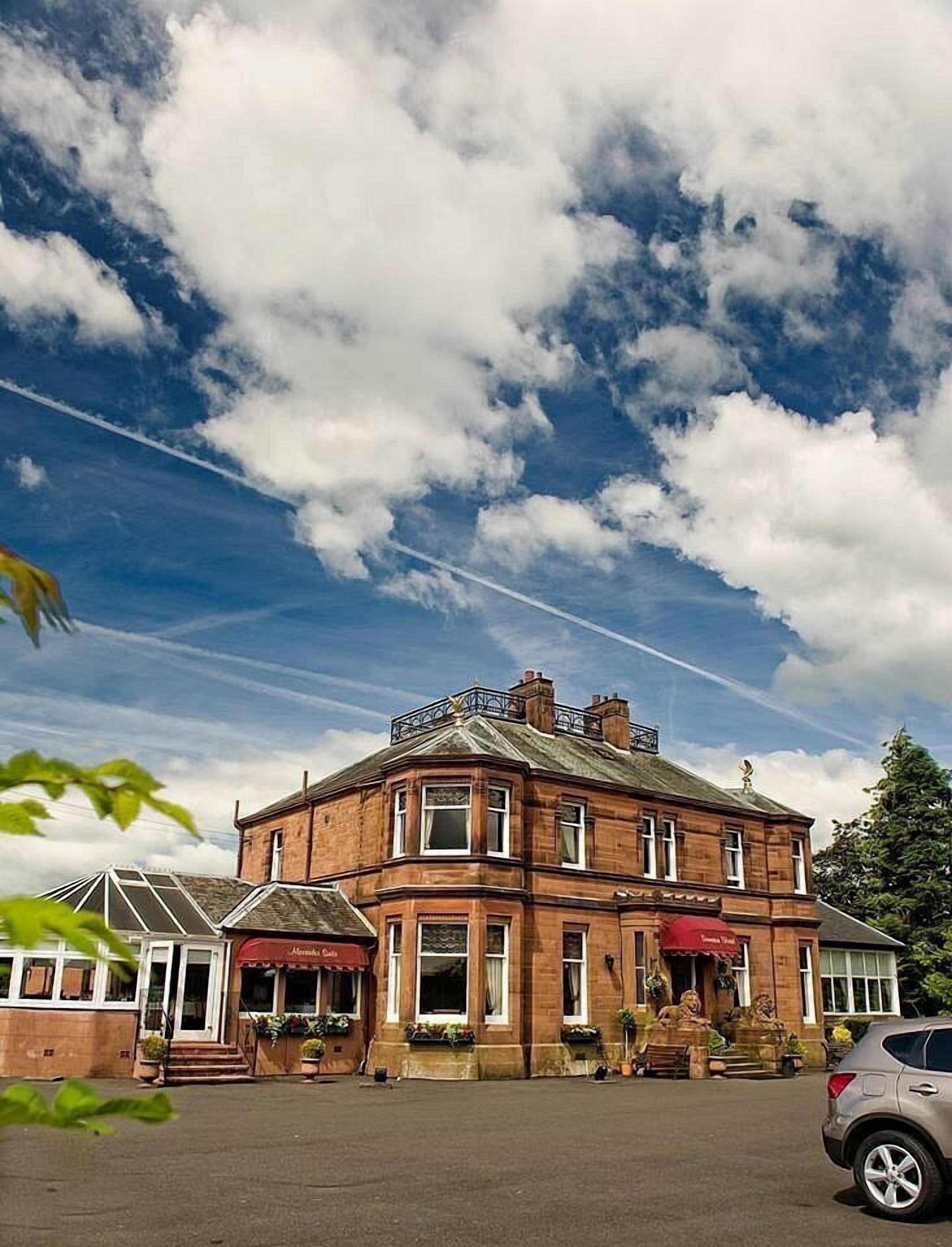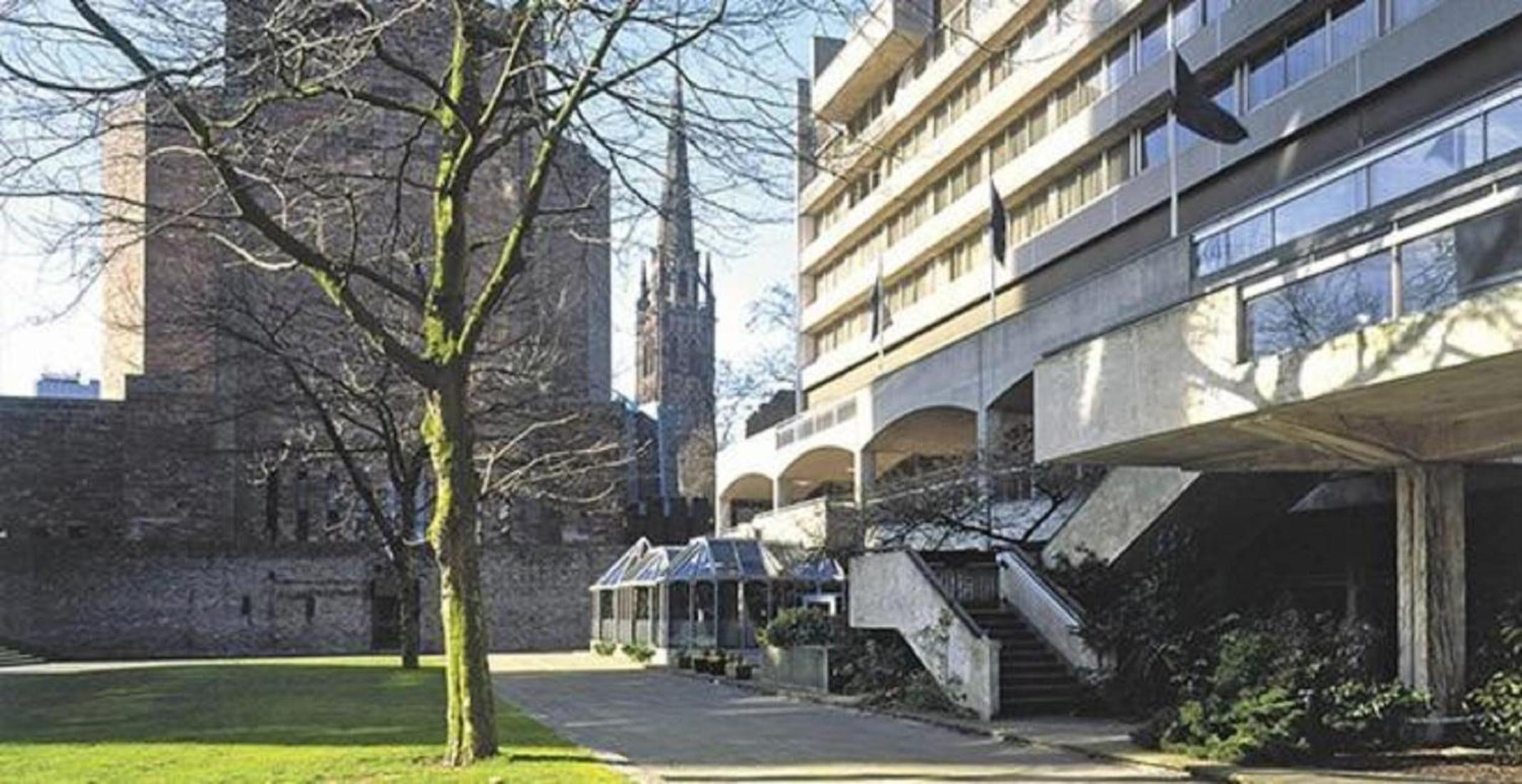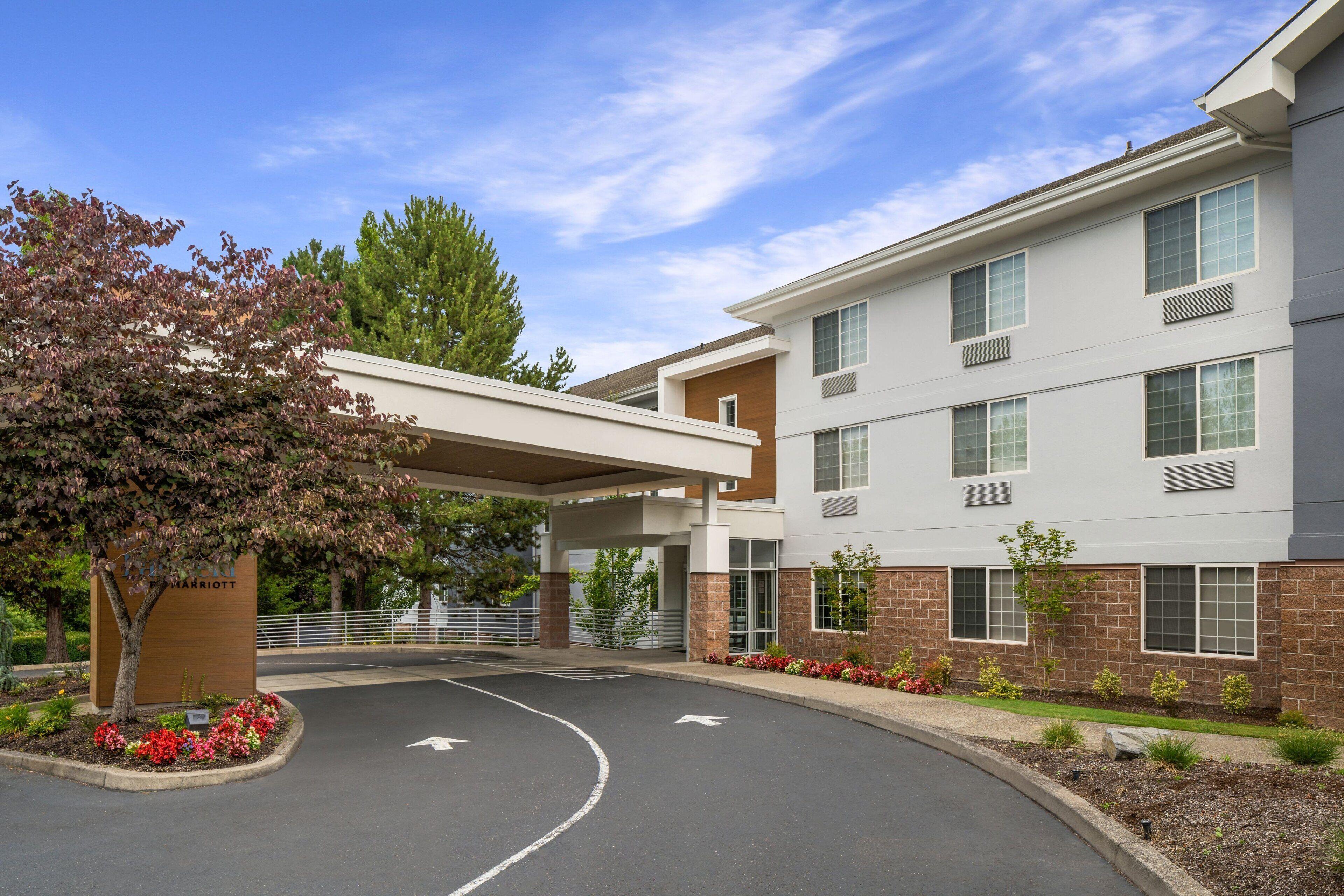
The United Kingdom has one of the most architecturally diverse hotel landscapes in Europe. From converted 14th-century towers in the Lake District to Georgian townhouses in Dorset market towns, design hotels here rarely follow a formula - each property reflects its specific location, history, and character. This guide covers 15 standout properties across England, selected for their spatial identity, room quality, and practical value for travellers who want accommodation that contributes to the experience rather than just supporting it.
What It's Like Staying in the United Kingdom
The UK rewards slow travel. Unlike destinations built around a single attraction, England in particular is structured around market towns, cathedral cities, and rural landscapes that each carry distinct architectural and cultural identities - making the choice of where to stay as consequential as what you plan to see. Accommodation quality varies sharply by region: London-adjacent options tend to carry a premium, while the Midlands, the South West, and the North offer strong value with far less competition for bookings. Crowd patterns are seasonal but predictable - summer weekends in the Cotswolds or Lake District can see rural hotels booked out weeks in advance, while midweek stays outside peak months often unlock better rates and quieter surroundings.
Rail connectivity from regional hubs like Birmingham, Bristol, and Leeds makes it realistic to base yourself outside major cities and access multiple areas efficiently. Travellers who prefer driving will find free parking standard at most rural and market-town hotels, which removes a cost friction common in European city stays.
Pros:
- Exceptionally diverse landscapes - coastline, moorland, medieval towns, and National Parks within short driving distances of each other
- Strong public transport links between cities, with regional trains serving most hotel locations covered in this guide
- English-speaking country with well-documented travel infrastructure, straightforward to navigate independently
Cons:
- Weather is genuinely unpredictable year-round - outdoor plans regularly require flexibility
- Popular rural destinations like the Lake District and the Cotswolds can feel congested on Bank Holiday weekends
- Dining options beyond the hotel can be limited in smaller villages, particularly on Sunday evenings
Why Choose Exceptional Design Hotels in the United Kingdom
Design hotels in the UK occupy a distinct category: they rarely compete on scale or amenity volume, but instead differentiate through architectural identity, locally sourced food programmes, and individually decorated rooms. Many are housed in buildings with genuine historical significance - a medieval hall, a Georgian coaching inn, a Victorian country house - meaning the design layer works with original fabric rather than against it. Rates at this category typically sit between £120 and £250 per night for a double room, positioning them above standard chain hotels but below five-star London-centric luxury, making them one of the more accessible ways to experience high-quality UK hospitality. Room sizes tend to be more generous than city-centre hotels in the same price bracket, and most properties in this segment include free parking and breakfast, which significantly affects the effective cost comparison.
The trade-off is consistency: because rooms are individually decorated and buildings are often historic, two rooms at the same property can differ considerably in size, light, and bathroom specification. Booking specific room types matters more here than at standardised chain hotels. Properties with fewer than 30 rooms are common in this segment, which means availability is tighter and last-minute bookings carry more risk.
Pros:
- Rooms with genuine architectural character - original beams, stone walls, period features - that chain hotels cannot replicate
- Food programmes that reflect local sourcing: regional ales, AA Rosette restaurants, and full English breakfasts made from local produce
- Free parking and breakfast frequently included, improving real value against city alternatives
Cons:
- Room-to-room variation means the cheapest available room may differ significantly from the property's best spaces
- Smaller team sizes can mean slower service response compared to larger corporate hotels
- Limited availability, particularly on weekends - properties with under 20 rooms sell out quickly during peak periods
Practical Booking & Area Strategy for the UK
The UK's geography creates a natural booking logic: properties in the Midlands - Tamworth, Northampton, Stamford - sit within around 90 minutes of London by train and function well as bases for multi-day itineraries combining city access with rural exploration. The South West corridor, covering Bath, Bristol, Corsham, and into Dorset, carries some of the strongest design hotel density in England and benefits from good motorway access via the M4 and M5. The Lake District is best accessed via the M6, with properties near Eskdale and Lancaster acting as quieter entry points compared to the heavily trafficked Windermere and Ambleside areas. For travellers focused on the East Midlands, Stamford and Peterborough offer underrated bases - Stamford in particular sits close to Burghley House and Rutland Water, with a town centre that ranks among the best-preserved stone market towns in England. Peak booking pressure hits from late June through August and around Bank Holidays - properties with free cancellation should be secured two to three months in advance during these windows. Outside these periods, midweek stays in October and March frequently offer the best combination of availability, price, and manageable visitor numbers.
Design Hotels in the Midlands & East of England
The Midlands and East of England deliver some of the UK's most characterful stays, with historic market towns, accessible motorway networks, and properties that blend period architecture with modern room standards - often at better value than equivalent options further south.
-
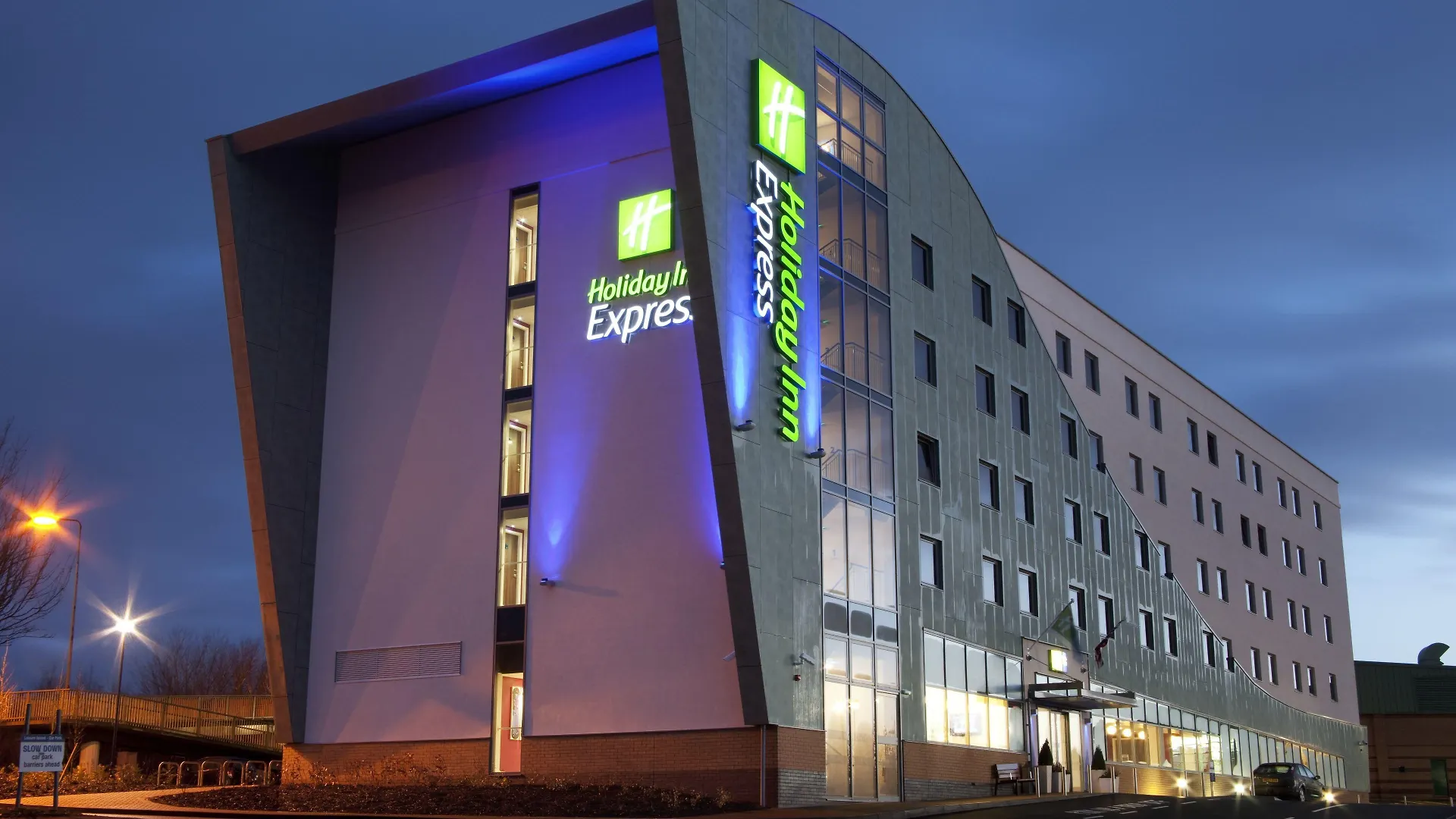
1. Holiday Inn Express Tamworth By Ihg
Show on map


 Check-infrom 14:00 until 23:59Check-outfrom 06:00 until 11:00
Best price guarantee
from£ 62
-
2. The George Hotel Of Stamford
Show on map


 Check-infrom 14:30 until 23:59Check-outuntil 11:00
Just a few rooms left at the best rate!
from£ 210
-
3. The Falcon Hotel
Show on map


 Check-infrom 14:00 until 18:00Check-outfrom 07:00 until 11:00
Just a few rooms left at the best rate!
from£ 178
-
4. The Pearl Hotel
Show on map


 Check-infrom 14:00 until 23:59Check-outuntil 11:00
Best price guarantee
from£ 42
-
5. The Stanwick Hotel
Show on map


 Check-infrom 15:00 until 22:30Check-outfrom 07:00 until 11:00
Hurry – almost gone at this price!
from£ 80
-
6. Nottingham Belfry Hotel & Spa
Show on map


 Check-infrom 15:00 until 23:59Check-outuntil 11:00
Hurry – almost gone at this price!
from£ 71
Design Hotels in the South West, South, & North of England
From Georgian Bath-adjacent properties and Dorset market-town inns to Lake District halls and Yorkshire countryside hotels, this group covers the UK's most visually distinct regional landscapes - each with accommodation that reflects its specific geography and architectural heritage.
-
1. West Lodge Park
Show on map


 Check-infrom 14:00 until 23:59Check-outfrom 07:00 until 11:00
Hurry – almost gone at this price!
from£ 75
-
2. Berwick Lodge
Show on map


 Check-infrom 15:00 until 23:59Check-outuntil 11:00
Best price guarantee
from£ 199
-
3. The Rudloe Near Bath - Marco Pierre White
Show on map


 Check-infrom 15:00 until 22:00Check-outfrom 08:00 until 10:00
Best price guarantee
from£ 83
-
4. The Three Cups Inn
Show on map


 Check-infrom 14:00 until 21:00Check-outuntil 10:00
Rooms filling fast – secure the best rate!
from£ 113
-
11. The Grosvenor Arms
Show on map


 Check-infrom 15:00 until 22:00Check-outfrom 08:00 until 11:00
Rooms filling fast – secure the best rate!
from£ 83
-
6. The Green Dragon Hotel
Show on map


 Check-infrom 15:00 until 23:59Check-outuntil 11:00
Just a few rooms left at the best rate!
from£ 60
-
7. Irton Hall
Show on map


 Check-infrom 16:00 until 22:00Check-outfrom 07:00 until 10:00
Best price guarantee
from£ 108
-
8. Kings Croft Hotel
Show on map


 Check-infrom 15:00 until 22:00Check-outfrom 07:00 until 10:00
Rooms filling fast – secure the best rate!
from£ 111
-
9. Longlands Inn & Cottages
Show on map


 Check-infrom 15:00 until 21:30Check-outfrom 07:00 until 11:00
Just a few rooms left at the best rate!
from£ 77
Smart Travel Timing & Booking Strategy for UK Design Hotels
The UK hotel calendar follows predictable pressure points that directly affect availability and pricing at independent design properties. July and August are the hardest months to book at rural and coastal properties - the Lake District, Dorset, and Hampshire hotels in particular can be fully committed on weekends six to eight weeks in advance. The shoulder seasons - mid-September through October and March through early May - consistently offer better room availability, lower rates, and reduced visitor numbers at attractions. Midweek stays (Tuesday-Thursday) at properties with restaurant operations often deliver the most attentive food service, as weekend trade volumes stretch smaller kitchen teams. For properties near heritage sites like Burghley House, Stonehenge, or Hereford Cathedral, arriving on a weekday reduces queuing at the sites themselves in addition to easing hotel availability. Most design hotels in this guide operate flexible cancellation policies outside peak periods - booking three to four months ahead with free cancellation covers availability risk without locking in funds. A minimum of two nights is worthwhile at rural properties where the grounds, restaurant, and surroundings reward slower engagement; one-night stays at these properties frequently feel rushed relative to what the location offers.