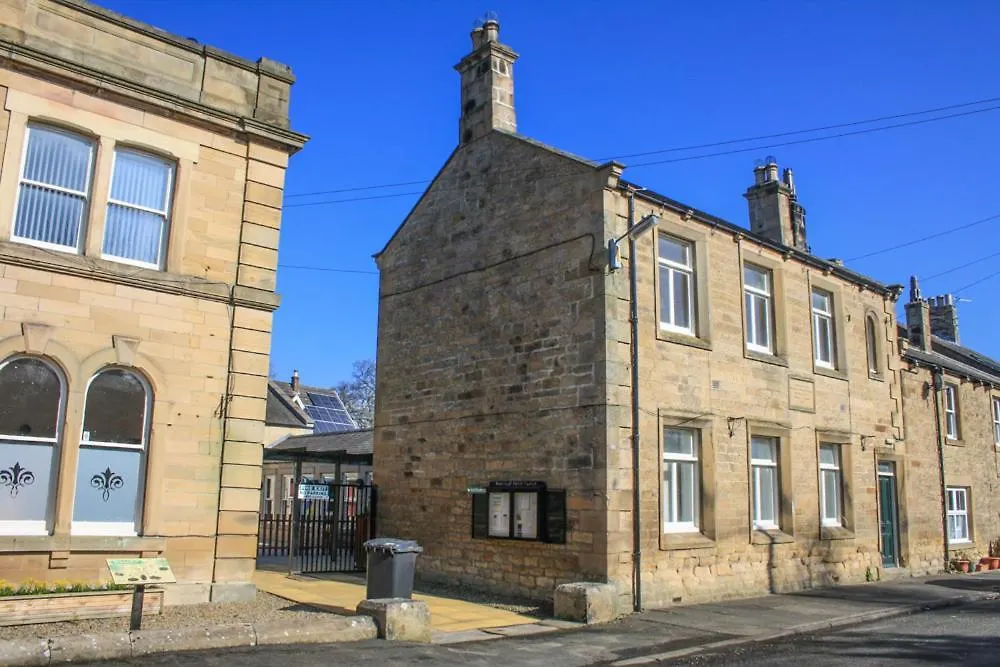
The North Pennines - England's largest Area of Outstanding Natural Beauty - draws leisure travellers seeking dark skies, long-distance trails, and the rugged solitude of Alston Moor and the South Tyne Valley. Whether you're walking the Pennine Way, cycling the C2C route, or exploring Hadrian's Wall country, choosing the right base determines how much of this landscape you can actually reach without wasting half your day in the car. This guide cuts through the options and matches the four best leisure-focused hotels and stays in the area to real traveller scenarios.
What It's Like Staying in the North Pennines
The North Pennines sits between the Lake District to the west, Hadrian's Wall country to the north, and the Yorkshire Dales to the south - making it one of the most central bases for multi-attraction leisure trips in northern England. There are no major motorway connections cutting through the area, so life here runs at a slower pace: villages like Alston (England's highest market town) and Hexham operate on rural rhythms, with limited evening dining options outside your accommodation. For leisure travellers, this is a feature rather than a flaw - but those needing frequent city access should account for the distances involved.
Newcastle International Airport sits around 39 km from the eastern fringe of the North Pennines, making the region genuinely accessible for fly-drive trips, though the final rural miles will always require a car or pre-arranged transfers. Crowds are lightest from November through March, and summer weekends see walkers and cyclists fill the lanes and fells.
Pros:
- Unmatched access to Hadrian's Wall, the Pennine Way, and the C2C cycle route from a single base
- Some of England's least light-polluted skies, with Gold Tier Dark Sky Park status across much of the region
- Significantly quieter than the Lake District, with far less competition for trail space and parking
Cons:
- A car is effectively essential - public transport within the North Pennines is sparse and infrequent
- Evening dining options in smaller villages are very limited; self-catering or hotel restaurants become critical
- High moorland roads can close in winter, restricting movement between western and eastern bases
Why Choose Leisure Hotels in the North Pennines
Leisure hotels in the North Pennines are purpose-built around outdoor activity - free parking is near-universal, and most properties sit within driving distance of multiple trail heads, castle ruins, and Roman heritage sites. Unlike city hotels where leisure facilities are add-ons, rural North Pennines properties often structure their entire offer around walkers, cyclists, and countryside explorers: bike storage, packed lunch services, and drying rooms are common features at well-positioned properties. Rates are noticeably lower than comparable rural stays in the Lake District, often around 30% less for equivalent quality.
Room sizes tend to be more generous than urban hotels at the same price point, and private parking removes a daily cost that adds up quickly in city stays. The trade-off is reduced flexibility: fewer properties offer 24-hour reception or late check-in, and booking well ahead for summer weekends is essential since inventory is small across the entire region.
Pros:
- Free private parking is standard, eliminating a significant daily cost compared to city stays
- Properties are positioned close to key outdoor attractions - Hadrian's Wall, Alston Moor trails, and South Tyne Valley walks
- Lower nightly rates than equivalent rural hotels in the Lake District or Yorkshire Dales
Cons:
- Limited hotel inventory means popular dates sell out fast - especially July and August weekends
- Fewer amenity options (spa, pool, gym) than leisure hotels in more developed tourist regions
- Some properties operate with reduced staffing outside peak hours, limiting flexibility on arrival times
Practical Booking & Area Strategy for the North Pennines
The North Pennines splits naturally into two travel corridors: the eastern Hexham and Northumberland fringe - closest to Newcastle and Hadrian's Wall - and the western Alston and Eden Valley side, which borders Cumbria and sits closer to the Lake District. Hexham-based properties give you the fastest access to the Roman Wall sites (Housesteads and Vindolanda are within around 20 km), while Alston positions you on the Pennine Way and within reach of Thirlwall Castle. The market town of Alston itself offers the highest-altitude base in England and is the natural hub for cycling the C2C route westward.
Key leisure draws include High Cup Nick, Cauldron Snout waterfall, the South Tyne Trail, Hadrian's Wall Path, and the Alston Narrow Gauge Railway. Book at least 8 weeks ahead for summer and bank holiday weekends - the limited room count across the region means last-minute availability essentially disappears from late June through August. Spring (April to May) and autumn (September to October) offer the best balance of trail conditions, lighter crowds, and reasonable rates.
Best Value Stays
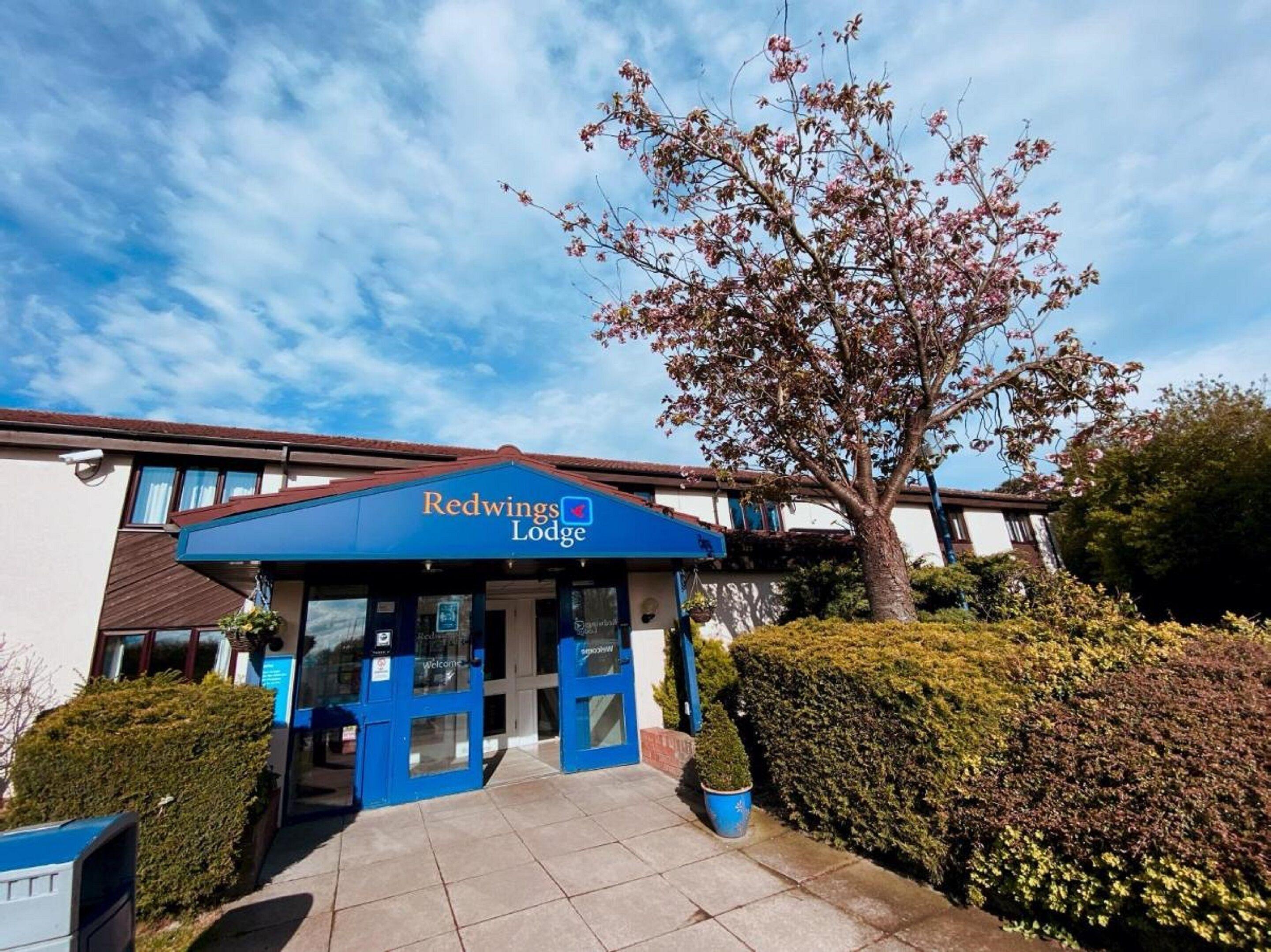
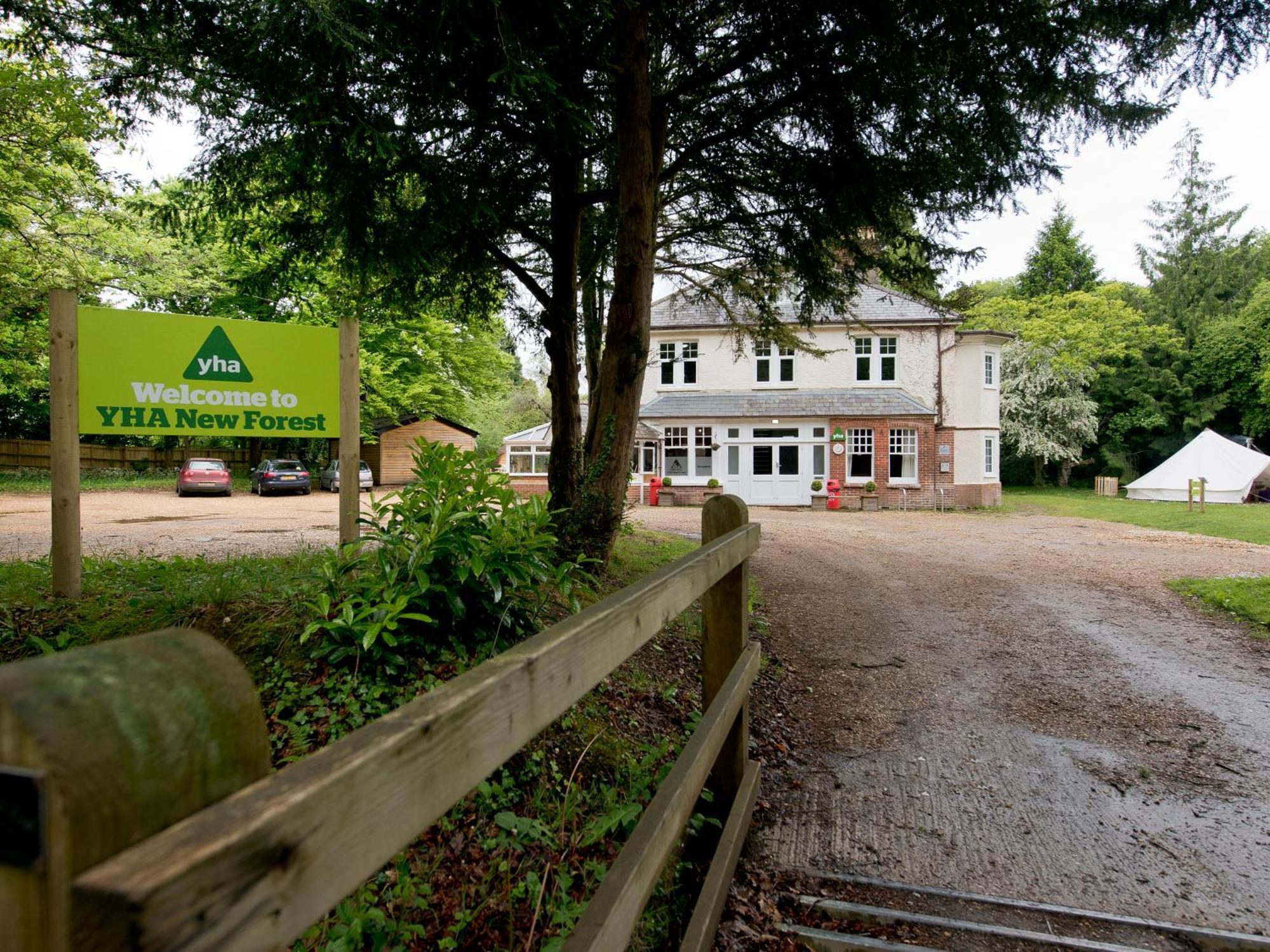
These properties deliver strong leisure credentials at accessible price points - free parking, trail-ready locations, and practical amenities without the premium room rates.
-
1. Newbrough Bunkhouse
Show on map


 Check-infrom 14:00 until 22:00Check-outuntil 10:00
Just a few rooms left at the best rate!
from£ 25
-
2. Castle Lodge Haughton Castle
Show on map


 Check-infrom 16:00 until 23:59Check-outuntil 10:00
Just a few rooms left at the best rate!
from£ 125
Best Premium Stays
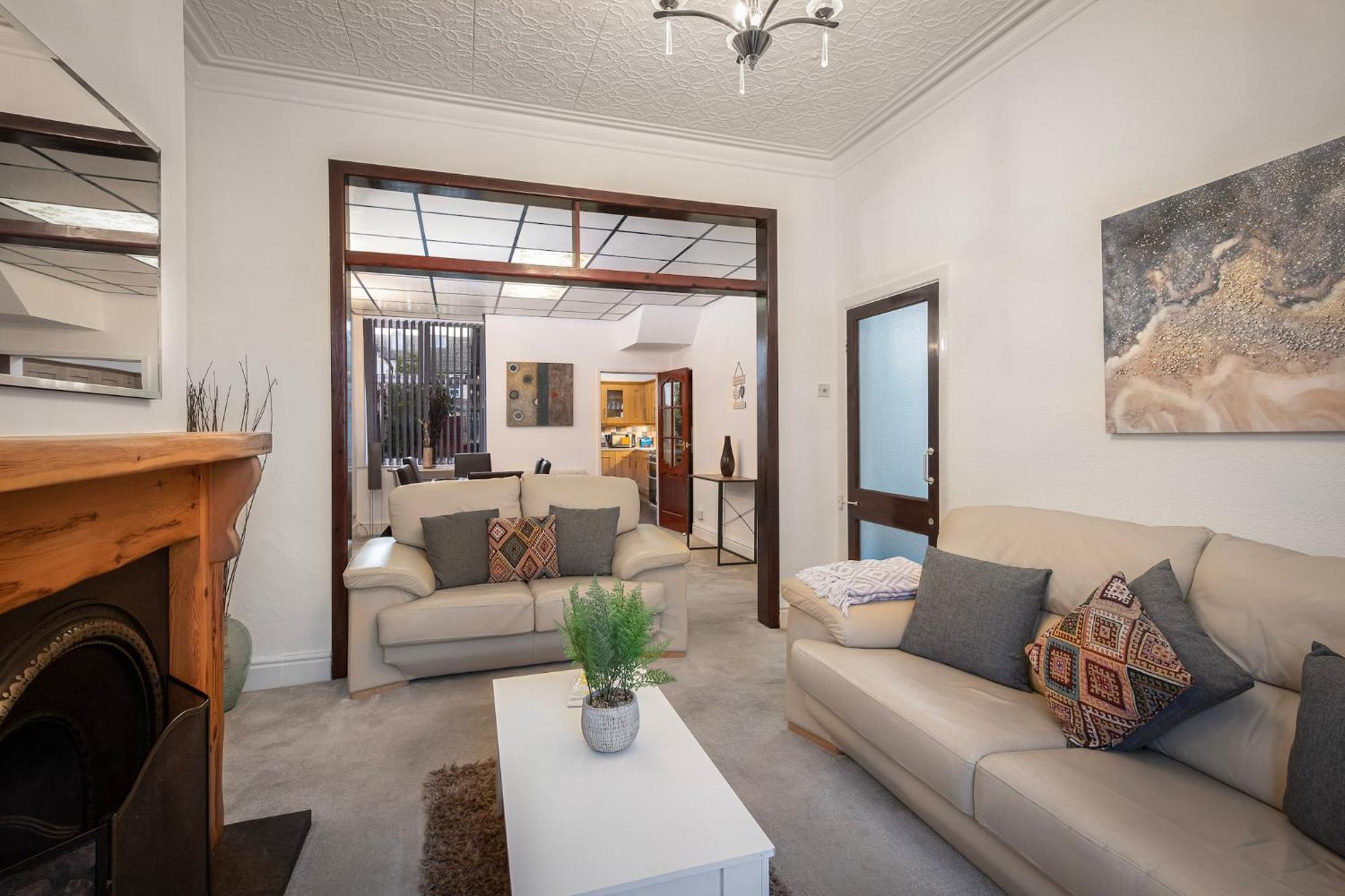
These properties add restaurant dining, bar access, and higher room specification to the leisure package - making them the strongest all-in options for travellers who want comfort returned to after a full day outdoors.
-
3. Alston House Hotel
Show on map


 Check-infrom 14:00 until 20:00Check-outfrom 08:00 until 11:00
Hurry – almost gone at this price!
from£ 130
-
2. The Fleece At Ruleholme
Show on map


 Check-infrom 15:00 until 23:59Check-outuntil 11:00
Rooms filling fast – secure the best rate!
from£ 142
Smart Travel & Timing Advice for the North Pennines
The North Pennines peaks as a leisure destination between late April and October, when moorland paths are accessible, daylight hours are long, and most accommodation operates at full capacity. July and August see the highest nightly rates and the fastest sellouts - particularly for self-contained properties and the limited premium hotel rooms in Alston. September is arguably the best single month for a leisure visit: heather is in full bloom across the fells, temperatures are still walkable, and rates drop noticeably compared to the August peak.
Winter visits (November to February) suit dark sky enthusiasts - the North Pennines holds Gold Tier International Dark Sky Park status, and clear winter nights offer exceptional stargazing from moorland sites around Alston Moor. However, high-altitude roads can become impassable, and some rural properties reduce opening hours or close entirely in January. Book at least 6 weeks ahead for any summer weekend or bank holiday stay - last-minute availability in this region is genuinely rare. A minimum of 3 nights gives you enough time to do justice to both the Hexham-Hadrian's Wall corridor in the east and the Alston Moor trail network in the west without feeling rushed.