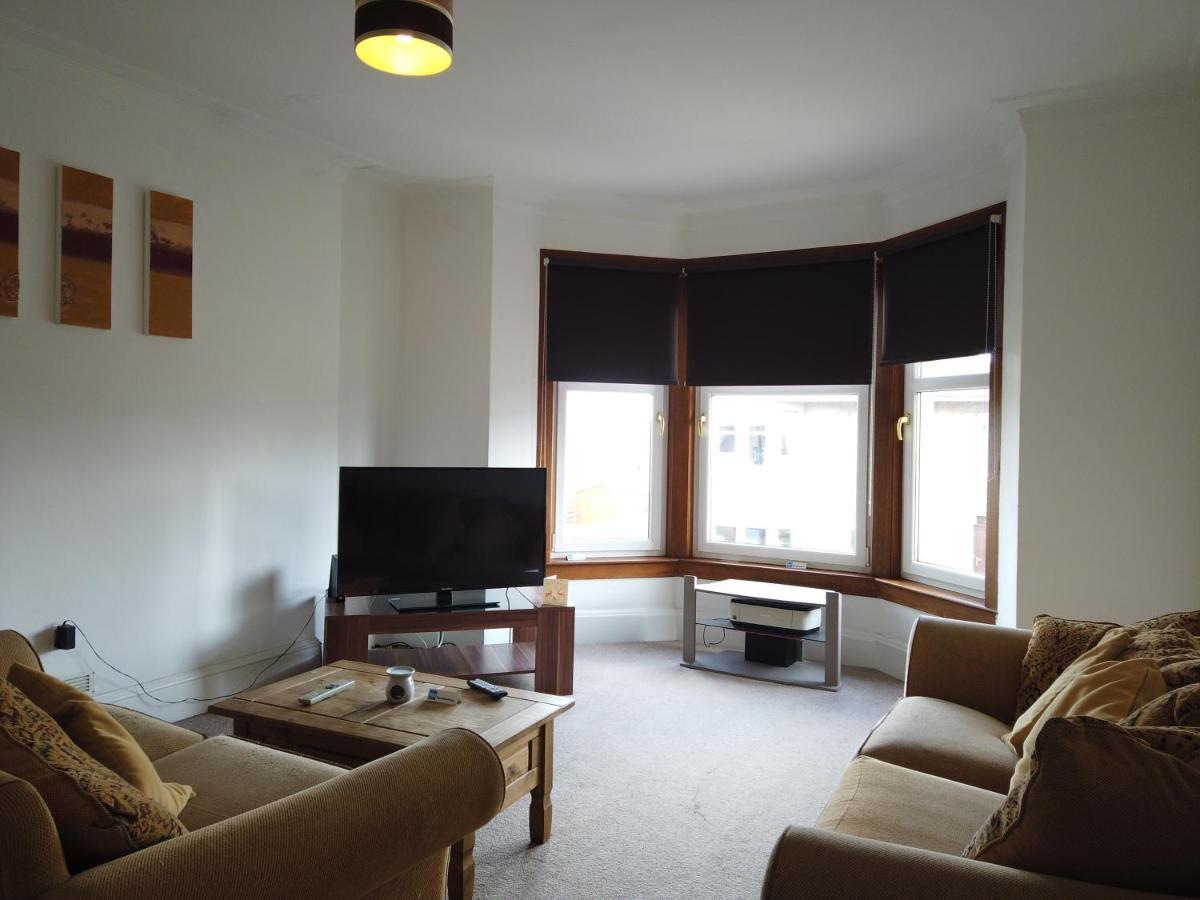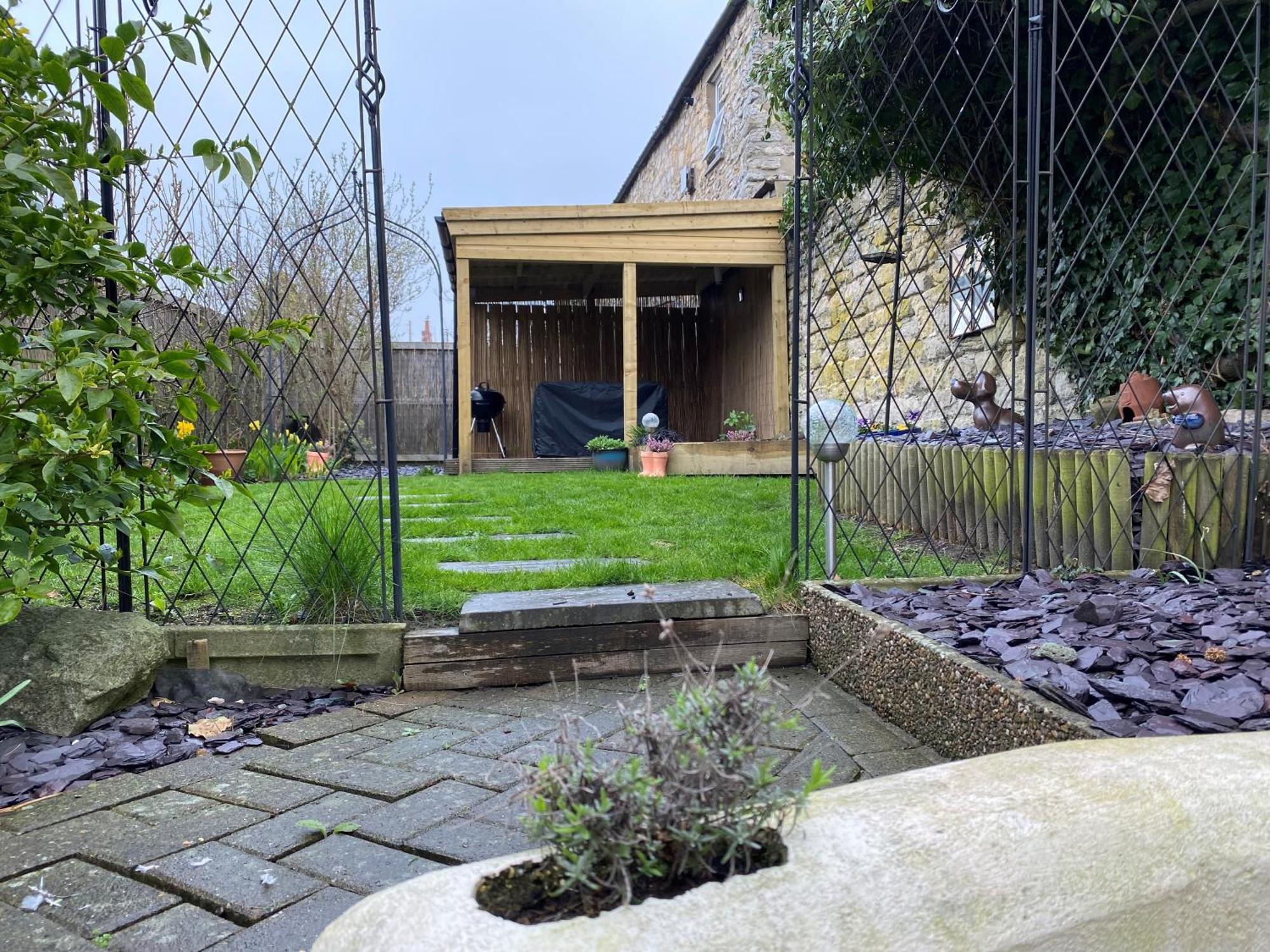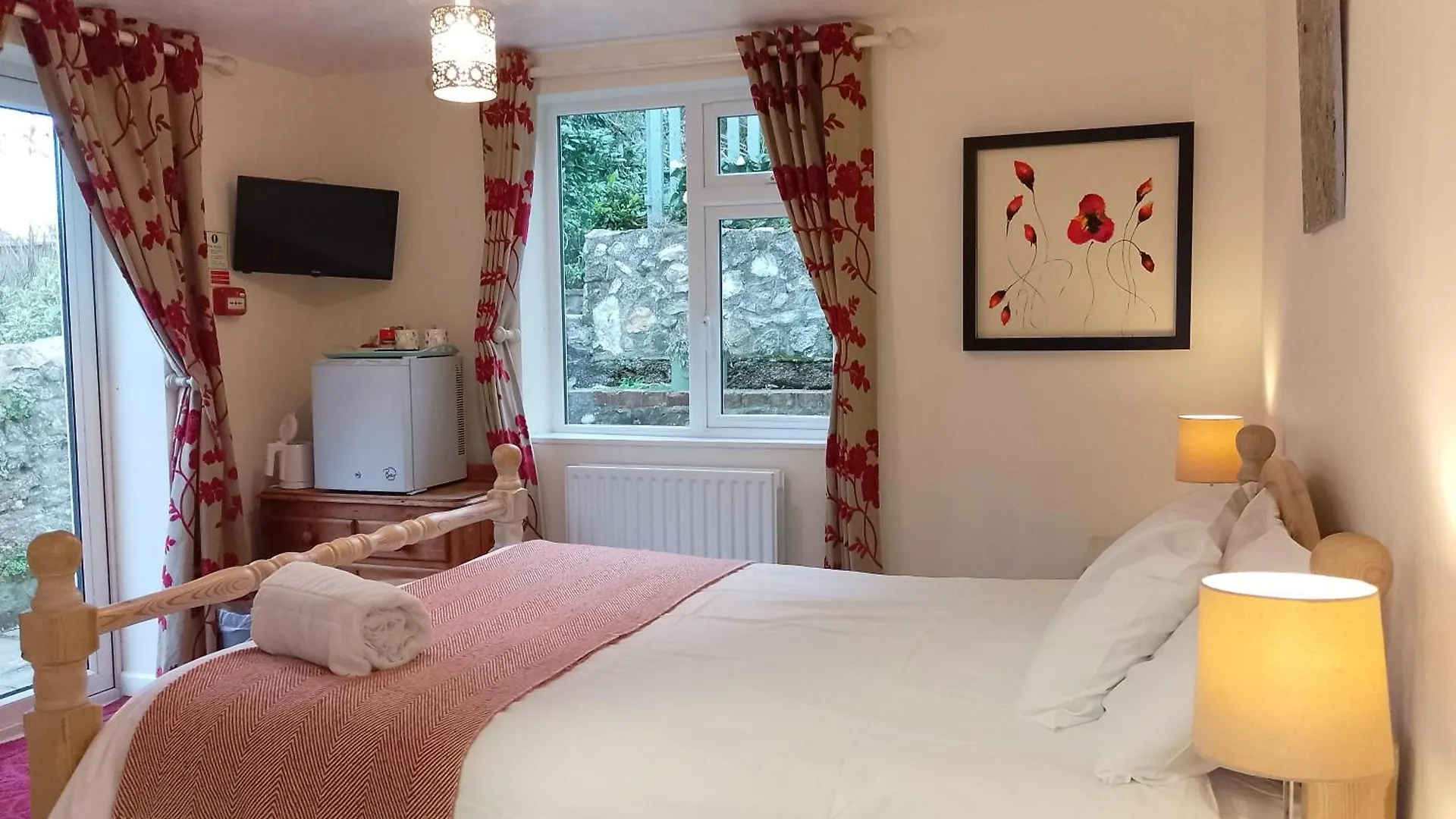
Seaton Tramway runs electric trams through the Axe Valley nature reserve between Seaton and Colyton - a 5-kilometre route that passes through one of the most ecologically rich wetland corridors on the Jurassic Coast. Visitors searching for hotels near the tramway are typically combining it with coastal walking, fossil hunting on nearby beaches, and exploring the East Devon Area of Outstanding Natural Beauty. The properties in this guide span from Seaton and Beer on the coast to Colyton inland and across to Lyme Regis - all within practical reach of the tramway's Seaton terminus or its Colyton end station.
What It's Like Staying Near Seaton Tramway
The area around Seaton Tramway is a quiet, rural coastal zone - not an urban destination. The Seaton terminus sits at the edge of town near the seafront, and the surrounding accommodation landscape is made up of B&Bs, small hotels, and country inns rather than large chain properties. Walking to the Seaton tram stop from most centrally located Seaton accommodation takes under 10 minutes, but the area's real rhythm is defined by tidal schedules, coastal footpaths, and the natural pace of Devon village life. Visitors staying in Beer, Colyton, or along the Lyme Regis stretch add around 20 minutes of drive time to reach the tramway, which is worth factoring into planning - especially for families or those combining multiple Jurassic Coast stops in a single day.
Pros:
- Direct access to the Axe Valley wetland reserve and tramway without needing a car from Seaton itself
- Accommodation options spread across a coastline rich with fossil beaches, walking trails, and historic villages
- Noticeably quieter and less crowded than Lyme Regis or Sidmouth, especially outside school holidays
Cons:
- Limited evening dining and nightlife options in Seaton and Beer compared to larger coastal towns
- Public transport between villages is infrequent, making a car essential for most multi-stop itineraries
- Coastal fog and unpredictable Devon weather can disrupt outdoor tramway and beach plans without warning
Why Choose Central Hotels Near Seaton Tramway
Central hotels and B&Bs in the Seaton Tramway corridor tend to sit at a noticeably lower price point than comparable coastal properties in Lyme Regis or Sidmouth, while often offering more personal service and locally sourced breakfasts that reflect the character of East Devon. Room sizes in village B&Bs and inns here are typically more generous than budget options in busier towns, with garden access, valley views, and parking included as standard at most properties. The trade-off is connectivity - staying centrally near the tramway means committing to a slower, more rural pace, and guests who want urban amenities within walking distance will find the offer limited. For those focused on the Jurassic Coast experience, however, the positioning of these properties puts fossil beaches, heritage walking routes, and the tramway itself within easy reach without the congestion of more tourist-heavy bases.
Pros:
- Free parking is included at most properties in this area, saving around £10 per day compared to Lyme Regis
- Full English breakfasts with locally sourced ingredients are a standard feature across B&Bs in this corridor
- Shorter queues and easier spontaneous access to tram departures than during peak Lyme Regis visitor surges
Cons:
- Fewer restaurants and shops within walking distance compared to staying in central Lyme Regis or Sidmouth
- Some village properties have restricted check-in windows that require advance coordination
- Wi-Fi reliability can be limited in rural locations such as Branscombe due to Devon's connectivity gaps
Practical Booking & Area Strategy
The Seaton Tramway's main terminus is on Harbour Road in Seaton, close to the junction with Marine Place - hotels within Seaton town centre are the most walkable option, while properties in Beer (around 3 kilometres west along the coast) or Colyton (the tramway's inland terminus, around 6 kilometres north) suit guests who want to bookend the tram route. Branscombe and Lyme Regis are better positioned as bases for Jurassic Coast walking holidays that include the tramway as a day activity rather than a primary focus. Book at least 6 weeks ahead for summer visits between late July and August, when East Devon accommodation fills quickly and last-minute options become scarce. Outside school holidays, particularly in May, September, and October, the area is significantly quieter and prices drop noticeably. The tramway itself operates seasonally, with reduced schedules outside spring and summer - verify departure times directly with Seaton Tramway before finalising travel dates. Nearby attractions within easy driving distance include Branscombe Beach, the Dinosaurland Fossil Museum in Lyme Regis, Beer Quarry Caves, and the South West Coast Path sections between Seaton and Beer Head.
Best Value Stays
These properties offer strong positioning relative to price, with well-rated breakfasts, free parking, and practical proximity to either the Seaton coastline or the tramway corridor - without the premium charged by larger hotels.
-
1. Durham House
Show on map


 Check-infrom 16:00 until 20:00Check-outfrom 08:00 until 10:00
Just a few rooms left at the best rate!
from£ 110
-
2. The White Cottage
Show on map


 Check-infrom 15:00 until 19:00Check-outfrom 08:00 until 10:00
Just a few rooms left at the best rate!
from£ 55
-
3. The Masons Arms
Show on map


 Check-infrom 16:00 until 22:00Check-outfrom 08:00 until 10:00
Hurry – almost gone at this price!
from£ 110
Best Premium Stays
These properties offer enhanced facilities, stronger on-site dining, and more prominent coastal or town-centre positioning - suited to guests who want more than a base and are willing to pay a premium for it.
-
4. Lyme Townhouse
Show on map


 Check-infrom 15:00 until 23:59Check-outfrom 08:00 until 11:00
Hurry – almost gone at this price!
from£ 129
- Show on map
Best price guarantee
-
6. The Royal Lion Hotel
Show on map


 Check-infrom 15:00 until 23:59Check-outuntil 11:00
Rooms filling fast – secure the best rate!
from£ 115
Smart Travel & Timing Advice for the Seaton Tramway Area
The Seaton Tramway operates a seasonal schedule, running most reliably between Easter and the end of October, with peak service during July and August when the Axe Valley is at its most ecologically active for birdwatching. Book accommodation at least 6 weeks ahead for any visit during the school summer holidays - East Devon fills rapidly in this window and last-minute options near Seaton or Beer are limited. May and September are the optimal months for balancing good weather, open tramway services, and lower accommodation rates; the area sees around 40% fewer visitors in September compared to August, with markedly less competition for coastal parking and tram seats. A 2-night stay is generally the minimum that allows a full tram day plus a coastal walking day without feeling rushed; 3 nights opens up Beer Quarry Caves, a Lyme Regis fossil beach walk, and a visit to Colyton's medieval centre. Avoid arriving without a booking during the last two weeks of July - this is the single most pressured window in the area's tourist calendar.