Titchwell Marsh RSPB Reserve sits on the North Norfolk coast between Brancaster and Thornham, drawing serious birdwatchers and wildlife photographers year-round to one of England's most productive coastal wetland sites. Accommodation close to the reserve is limited by design - this is a quiet, rural stretch of the A149 coast road with no town centre nearby, which means your choice of hotel directly shapes how much driving you do each morning. The two 4-star properties covered in this guide sit within a short drive of the reserve and give you genuine comfort at the end of a day spent in the hides.
What It's Like Staying Near Titchwell Marsh RSPB Reserve
The area surrounding Titchwell Marsh is defined by wide skies, flat coastal farmland, and a near-total absence of urban infrastructure - there are no high streets, no train stations, and no taxi ranks within walking distance of the reserve entrance. A car is essential for reaching accommodation, restaurants, and petrol stations, as the nearest village clusters (Brancaster, Thornham, Hunstanton) are all accessed via the A149. Crowd patterns at the reserve itself peak sharply between April and May during spring migration and again in autumn, meaning nearby hotels can fill weeks in advance during those windows.
Why Choose 4-Star Hotels Near Titchwell Marsh RSPB Reserve
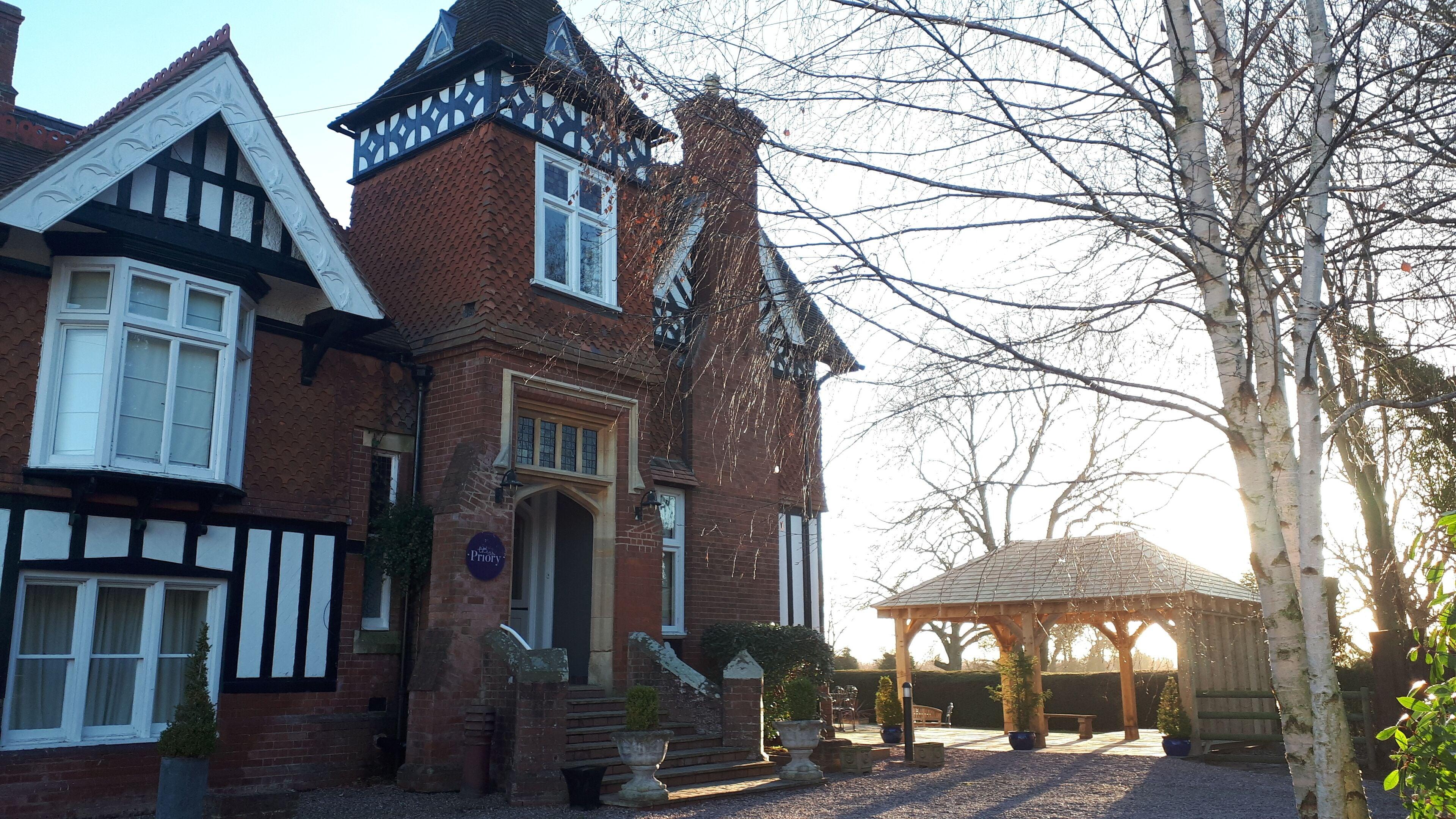
Four-star properties in this stretch of Norfolk tend to occupy historic coastal buildings or traditional inn formats - they are not city-style hotels, but they deliver well-above-average food, en-suite rooms with proper amenities, and free parking as standard. Free on-site parking is a non-negotiable practical advantage here, since every visit to the reserve requires driving. Compared to self-catering cottages in the area, which can run to similar nightly rates, 4-star hotels add breakfast, bar access, and restaurant dining without requiring guests to stock a kitchen after a full day outdoors.
Pros:
- Free parking included as standard, removing a daily logistics cost in a car-dependent area
- On-site restaurants and bars mean no need to drive again after dark on rural Norfolk roads
- Higher-grade bedding, en-suite bathrooms, and room service suit multi-night birdwatching stays
Cons:
- Fewer properties at this category exist in the immediate area, limiting availability during peak migration seasons
- Rates at 4-star level in coastal Norfolk can be around 30% higher than local B&Bs for comparable dates
- Some historic buildings in the area have limited accessibility features despite their star rating
Practical Booking & Area Strategy
The A149 coast road is the single artery connecting all accommodation to Titchwell Marsh, and positioning yourself along this road - between Hunstanton to the west and Burnham Market to the east - gives you the most flexible access. Old Hunstanton and Ringstead, both within around 8 miles of the reserve entrance, represent the two closest viable hotel clusters. Book at least 6 weeks ahead for any stay between late April and early June, when Titchwell's avocets, marsh harriers, and bitterns draw peak visitor numbers. Beyond the reserve, the area sits within easy reach of Holkham National Nature Reserve, Brancaster Beach, Burnham Deepdale market, and Sandringham Estate - all within a 20-minute drive - making this a strong base for a broader North Norfolk itinerary rather than a single-purpose birdwatching trip. Night-time driving on the B-roads around Thornham and Ringstead requires care in winter, but the area is completely safe and quiet after dark.
Best Value Stay
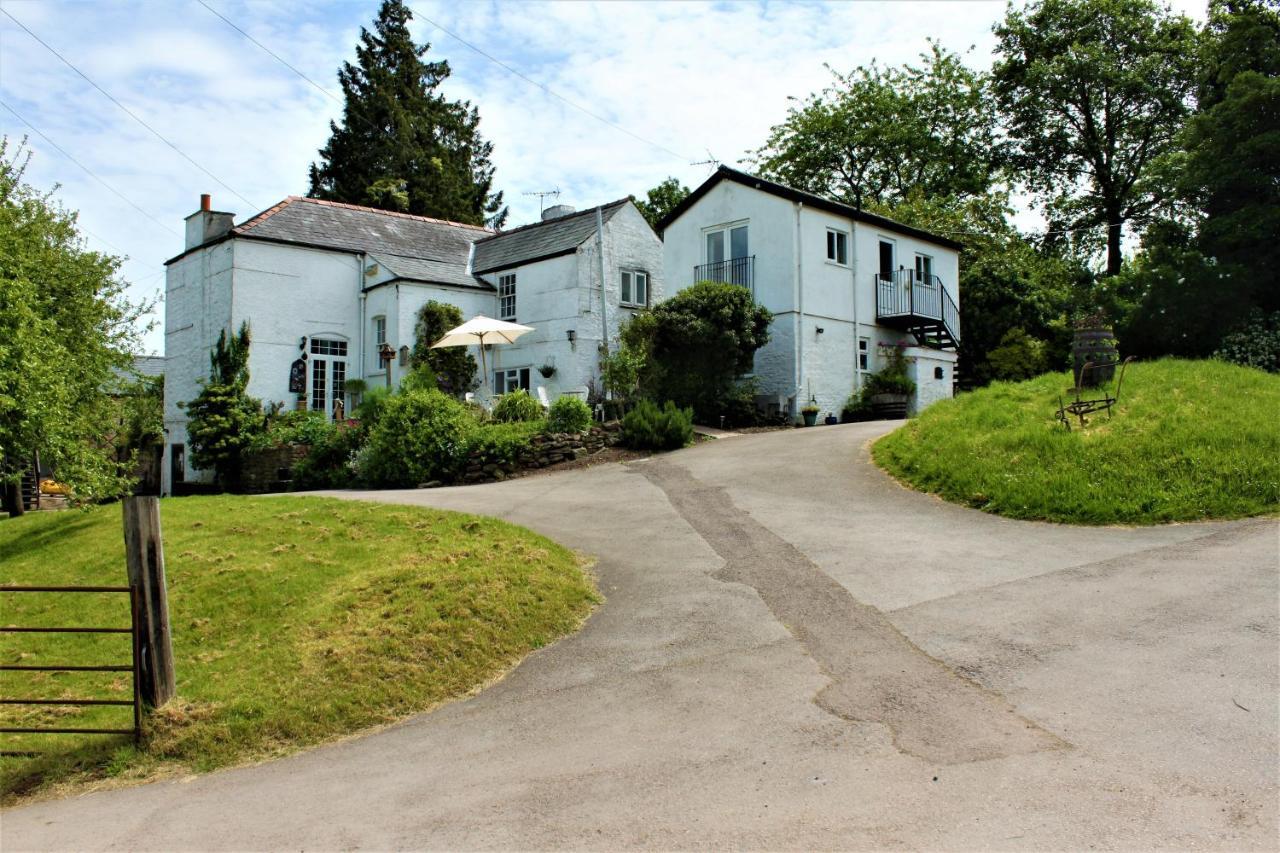
This option delivers strong value for money on the North Norfolk coast, combining character accommodation with practical amenities at a competitive nightly rate.
-
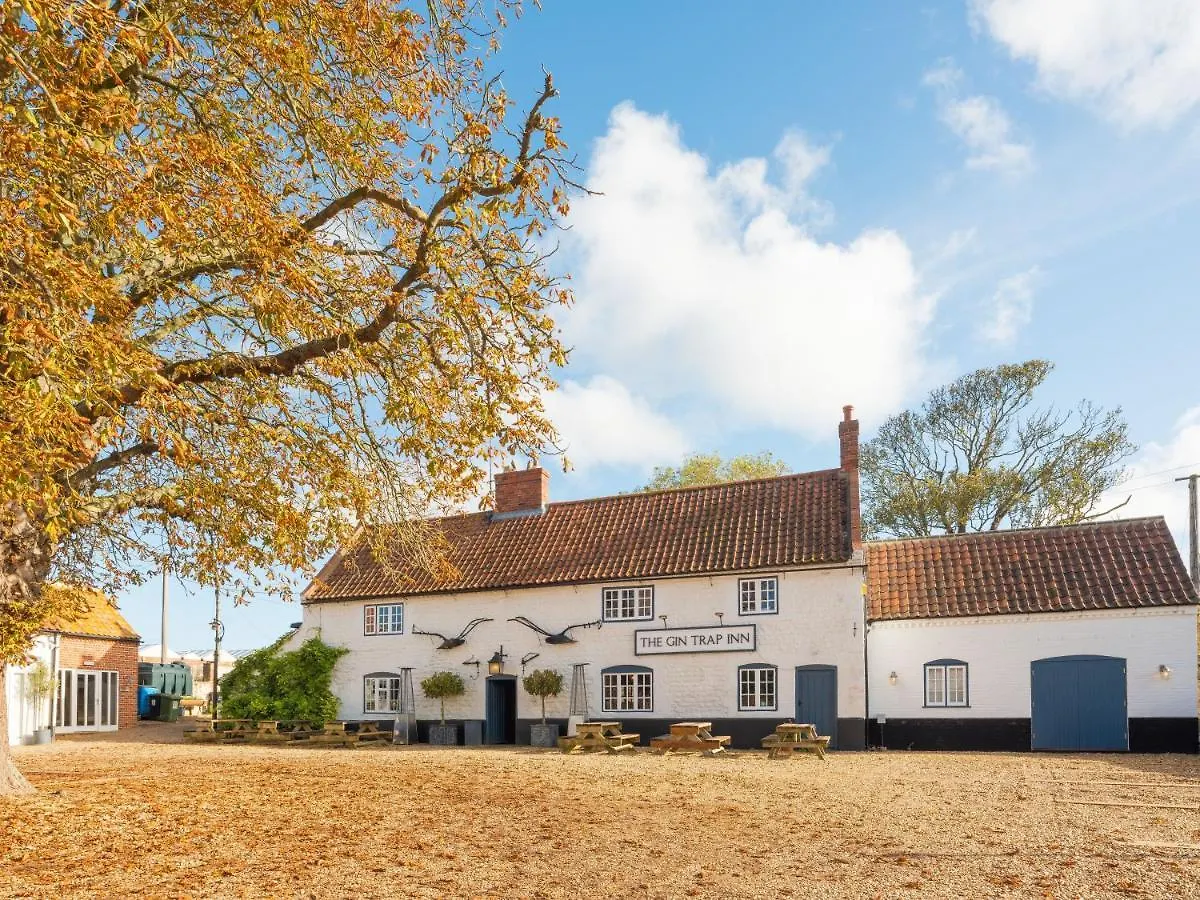
1. The Gin Trap Inn
Show on map


 Check-infrom 16:00 until 22:30Check-outuntil 10:00
Just a few rooms left at the best rate!
from£ 175
Best Premium Stay
This property adds beachfront access and a historic coastal setting, delivering a higher-grade experience for guests who want more than just a functional base near the reserve.
-
2. Old Hunstanton Le Strange Arms Hotel
Show on map


 Check-infrom 15:00 until 23:59Check-outuntil 11:00
Hurry – almost gone at this price!
from£ 76
Smart Travel & Timing Advice for Titchwell Marsh
The reserve operates year-round, but the two highest-value windows for visiting are spring migration (late April through May) and autumn migration (September through October), when wader and wildfowl numbers peak and the hides can be genuinely busy by 8am. Summer weekends in July and August bring a different crowd - families and beach visitors rather than dedicated birders - and hotel prices along this stretch of the A149 reflect that, often hitting seasonal highs. Winter (November through February) is the quietest and cheapest period, with fewer visitors, reduced hotel rates, and still-productive sightings of marsh harriers, bearded tits, and wildfowl. For a focused birdwatching trip, 2 nights is the practical minimum to cover the reserve properly and explore adjacent sites like Holme Dunes or Brancaster. Book at least 8 weeks ahead for any late April or May dates - the combination of school half-term, migration season, and limited accommodation supply makes last-minute availability rare at 4-star level in this area.